Mood boards can be a great, low-stress way to help guide design decisions while working on a room. Let me share how to mood board interior design for your dream house today.
5 Steps to Create a Mood Board For Your Interior Design
Mood boards can help you create an inspirational vision of your dream home before you even get started. They’re also a great way to visualise a room before making big choices like where to place windows and doors or buy furniture. Mood boards are so flexible that they can be used for any kind of design project, whether you’re planning a new kitchen, recreating your office, decorating a small bedroom or planning out the features of an extension or larger home addition. Today I will show you how to mood board for your renovations, whether it be a decoration project or a renovation.
What is Mood Board?
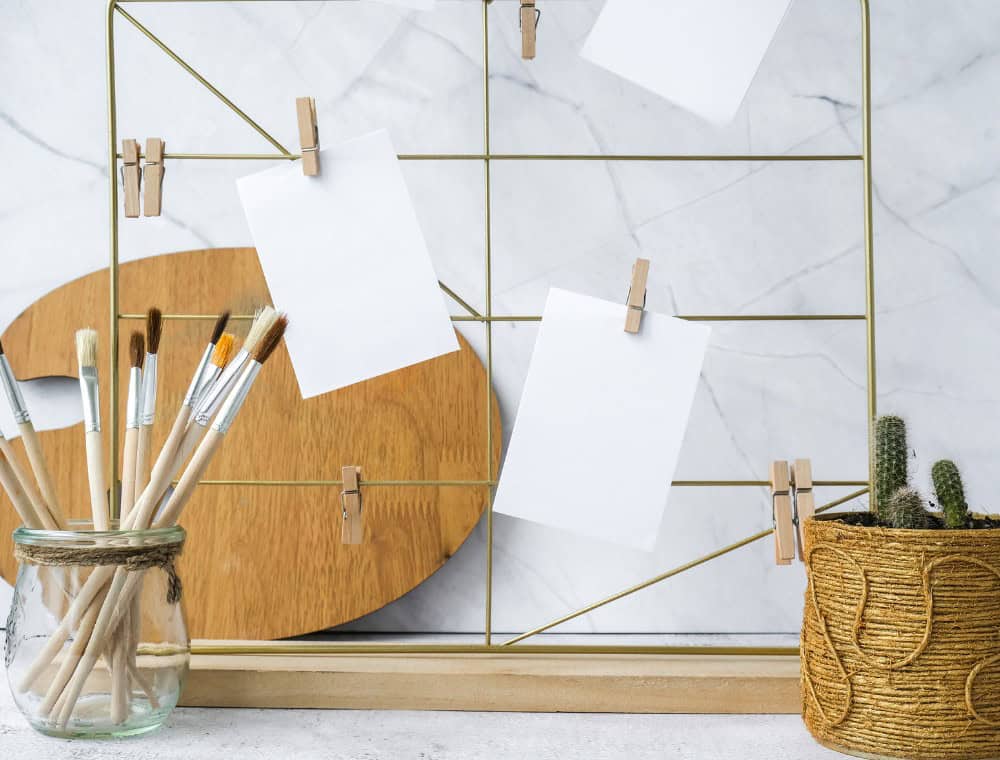
Mood boards are a great way to communicate your design goals and style. They’re also a good way to help you remember what you like in colour, texture, and pattern. A mood board is basically a collage of images that represent the look and feel of the things you like. You can create one digitally or grab some magazines and tear out pictures from them. Then arrange the images on a piece of cardstock or poster board in an order that makes sense to show how your room will look when it’s done.
Mood boards are an essential part of any interior design project because they help homeowners visualize what their rooms will look like after they’ve been designed. They also help designers communicate their vision to clients and other stakeholders so everyone knows where they’re headed with the project and what kind of people live there (or will live there).
Why Is Creating A Mood Board Important for Your Interior Design?
A mood board is one of the most important components of any interior design project. It’s a tool that allows you to get an idea of how your space will look and feel, so you can make decisions about the materials and finishes you want to use, as well as how much money to spend on different elements. Without a clear vision of what you want your space to look like, you’re going to have trouble getting the results that you want. And also a mood board helps you communicate your vision for your space, so everyone involved in the project knows exactly what’s going on and can work together more efficiently. It also serves as a reminder of what the end result should look like and helps keep you on track throughout the process. If you are a professional interior designer, creating a mood board can also be useful for showing clients what their space will look like before it’s finished, which helps them feel more invested in the process and builds excitement about the final product.
How to Start An Interior Design Mood Board?
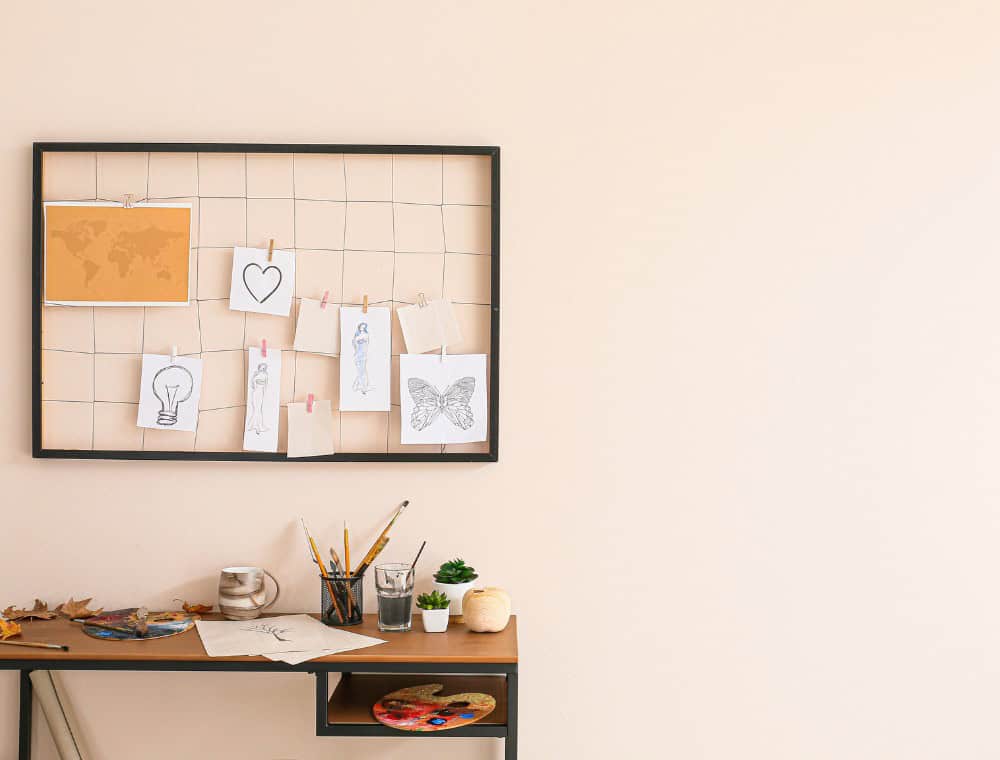
If you have never created a mood board before, You might be feeling overwhelmed and thinking that it seems like a lot of work, or you might not know where to start. But don’t worry! It’s actually really simple. All it takes is a little bit of time and patience. The first step in creating an interior design mood board/designing a home is to figure out what kind of style you want to incorporate into your space. There are so many different styles to choose from, and each one has its own unique flair. When you’re looking for a style that’s right for you, think about what type of lifestyle you want your home to reflect. Would you like it to be sleek and modern? Or maybe you’re more into rustic chic? Or maybe something else entirely! The thing is when it comes to decorating, there are no rules. You can do whatever you want in your home and make it look however you want. But one thing you should keep in your mind is that if you want to make sure your space is cohesive, it’s important to stay true to the style. For instance, if you have a modern kitchen, don’t go for a super vintage vibe for the dining room. If your living room has an industrial vibe, don’t put a bunch of floral patterns on the walls.
The best way to figure out what kind of style is right for your home is to go on Pinterest, Instagram, or Houzz and start collecting your favourite images. At first, you are probably attracted to different styles especially if you aren’t sure about the style you want. But at some point, you will notice that you have a tendency to collect one particular style. Once you’ve figured out what kind of style makes you feel like home, it’s time to create a mood board for your home!
How to Mood Board Interior Design
#1. Gathering Your Favorite
Now you know the style you want to apply to your home. Start gathering images of your favourite rooms, furniture, accessories, walls, flooring etc from Instagram, Pinterest or any other sources. I personally have several folders on Instagram like living room, dining room, home office or more specifically like chairs, sofas, coffee tables, and walls. And I do the same for Pinterest.
#2. Find “One” Inspiration
I usually do it this way. Find one inspiration that really speaks to you. It can be a room, a piece of decor, flooring, walls—anything! And then you can start looking for more things around the piece. This process is so fun because it’s like a treasure hunt! While doing this is such a fun process, make sure that they are things that you can afford. Because the last thing you want to do is put an amazing sofa on your mood board which you found on Pinterest and then after putting it all together you realise that you actually cannot afford it. And also do not forget to check the measurements.
#3. Existing Pieces And Fitted Furniture
Before putting all the items you just gathered, you’ll add fitted furniture and existing furniture that you’d like to keep into a mood board. So that you can visualise better. If you do not have any photos of these items or links to the items, that’s okay—just take pictures of them and add them to the mood board!
#4. Time to Add All Your Favorite Items
Now it’s time to use all the items that you’ve been gathering. The most important thing when making a mood board is to have fun! Play around with your items and don’t be afraid to try new things or combine different colours or textures. Start with an overall theme in mind—like “cosy,” “welcoming,” or “modern.” Then gather all of the items that you’d like to include in the space. What I usually do is start adding the key elements first. For example, if you are creating a living room mood board, you can start adding a sofa, coffee table, TV board, or stand light. And then textiles such as cushions, throw, curtains, a rug. Then finally accessories like candles, mirrors, plants, and photo frames.
#5. Unified
If you’re creating mood boards because you are about to build a new home or redecorate/ remodel your whole house, it can be tempting to go all out and create a colour scheme and overall style for each room. But the truth is, if you’re going to be living in your house for years to come, you’ll want to make sure that the rooms feel unified so that they flow together.
This can mean keeping the same colour scheme throughout maybe white walls with blue accents throughout. Or use a neutral colour palette and style that is consistent throughout the space. This will give you the flexibility to change out pieces of furniture and accessories as you see fit without having to worry about how it will affect the overall look of your home.
It’s also important to consider how your style will change over time. As we get older, our tastes change—and we may want different things than we did when we were younger. So while something may have been perfect when you were 25, it might not be right for your lifestyle now at 35—and vice versa!
You might also want to consider how different spaces work together as a whole. If there are multiple levels in your home (like stairs), try creating flow between rooms so that they feel cohesive rather than isolated from one another.
Mood Board Interior Design Online Course
Now you know how to create a mood board. But if you don’t know how to use software such as Canva, Photoshop and Morpholio, I have a Mood Board Interior Design E-Course where you can learn all the essential techniques for interior mood boards.
The course is for:
– Who wants to start renovating their home, building a new home or redecorating. You may be a do-it-yourselfer who wants to learn how to visualise your interior design ideas before you get started
– A professional interior designer who wants to give your clients a better idea of what the finished product will look like
– An interior design student who needs some practice with Canva, Morpholio and Photoshop before heading into the real world of interior design
– Who wants to gain new skills in creating an interior mood board by using Canva, Morpholio and Photoshop
If you are interested, go and check more details from here!
E-design for Sustainable Japandi Style
I also offer online interior design services. All the design plans are including mood boards for your home. If you do not have time for creating mood boards or need advice/help for your new home, feel free to email me at hello@makingagreenlifebylily or contact me from here.
If you want to learn more about E-design, go from here!
Mood board Example
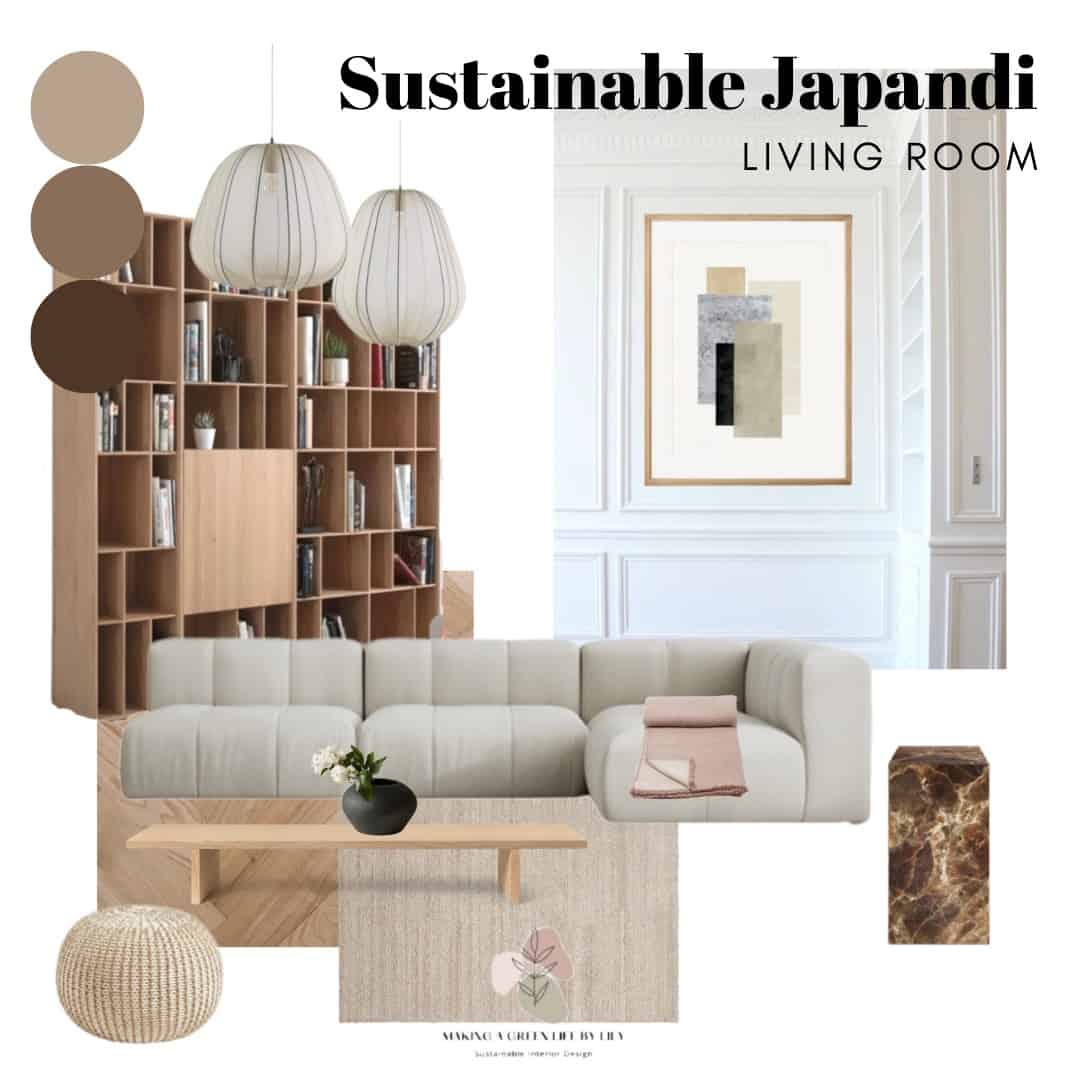
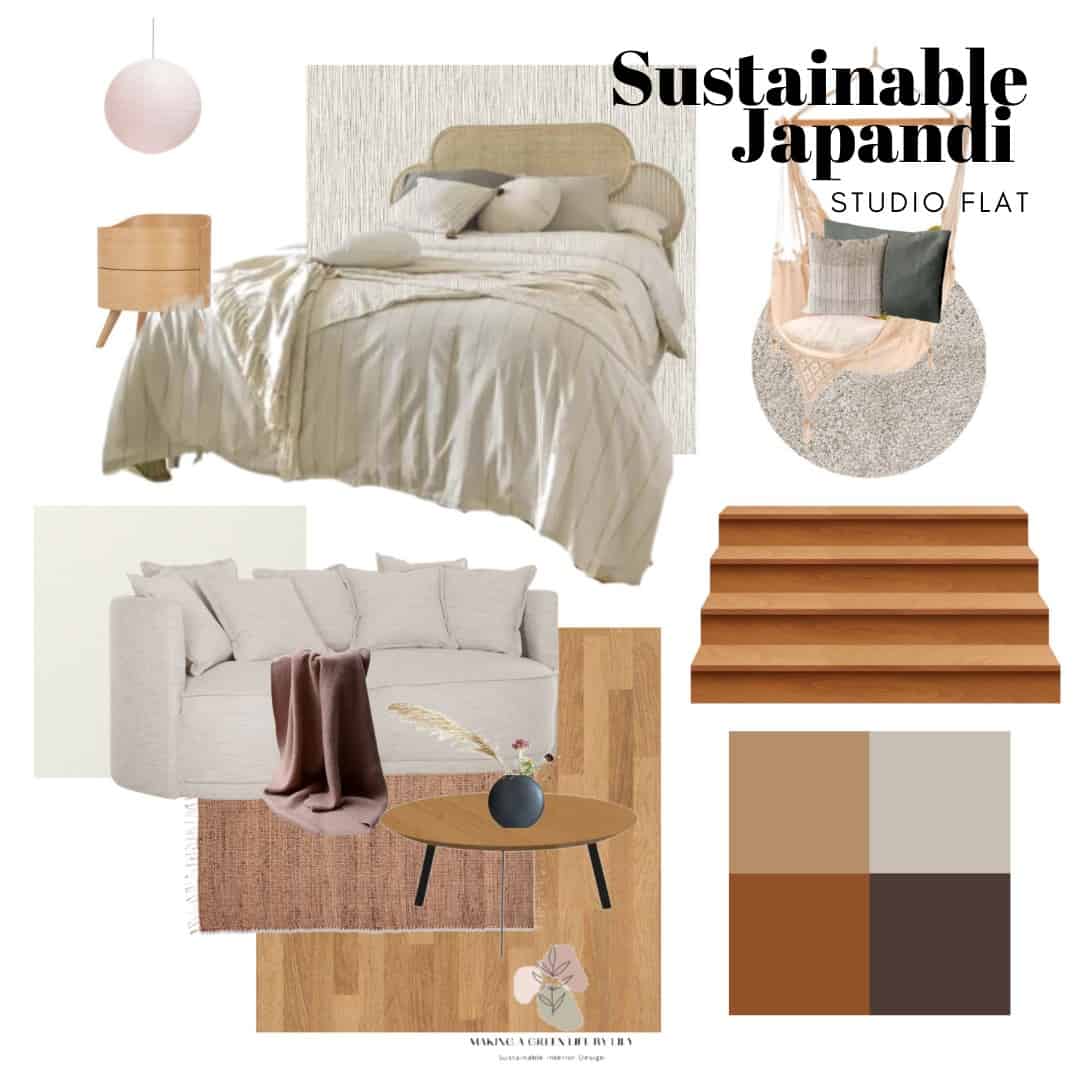
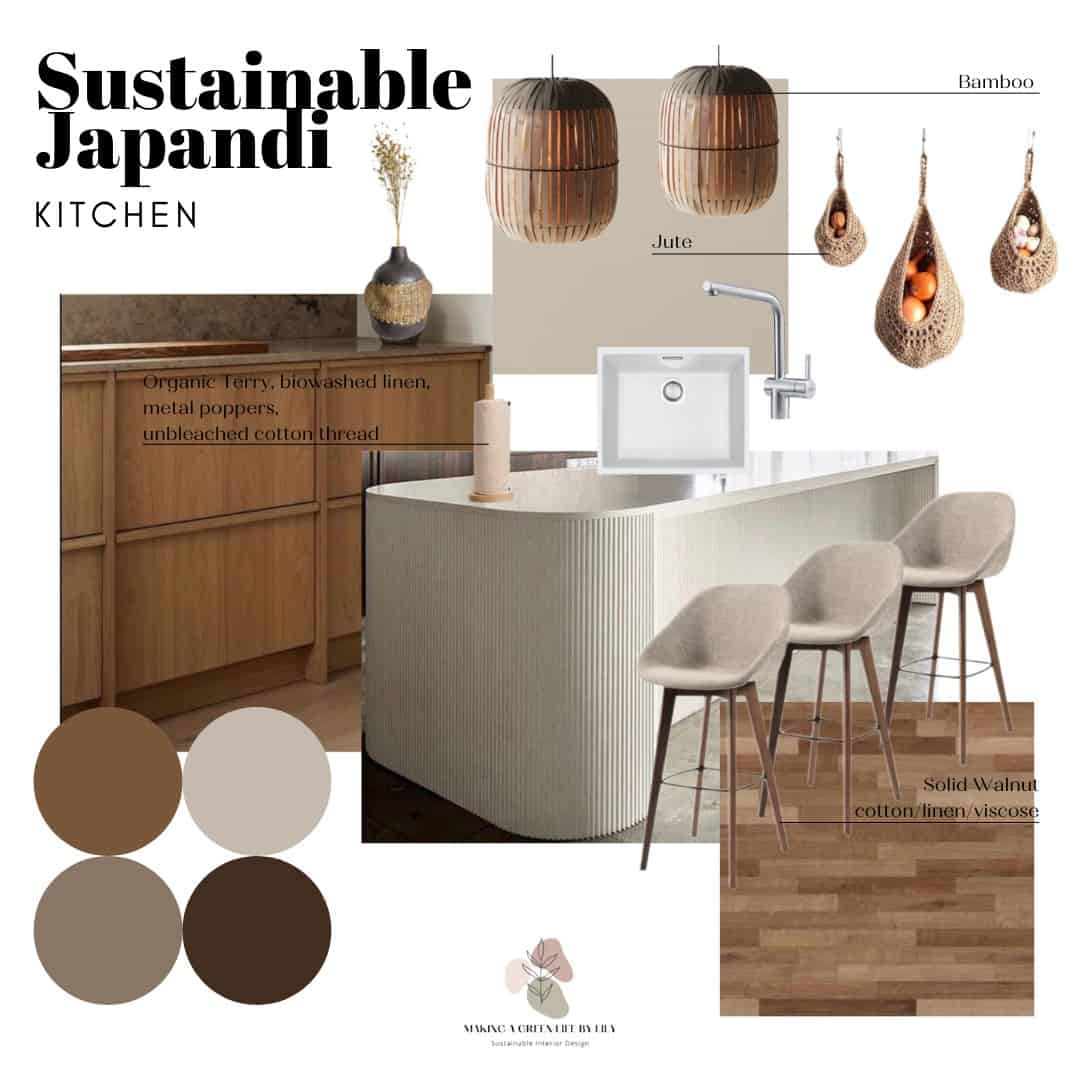
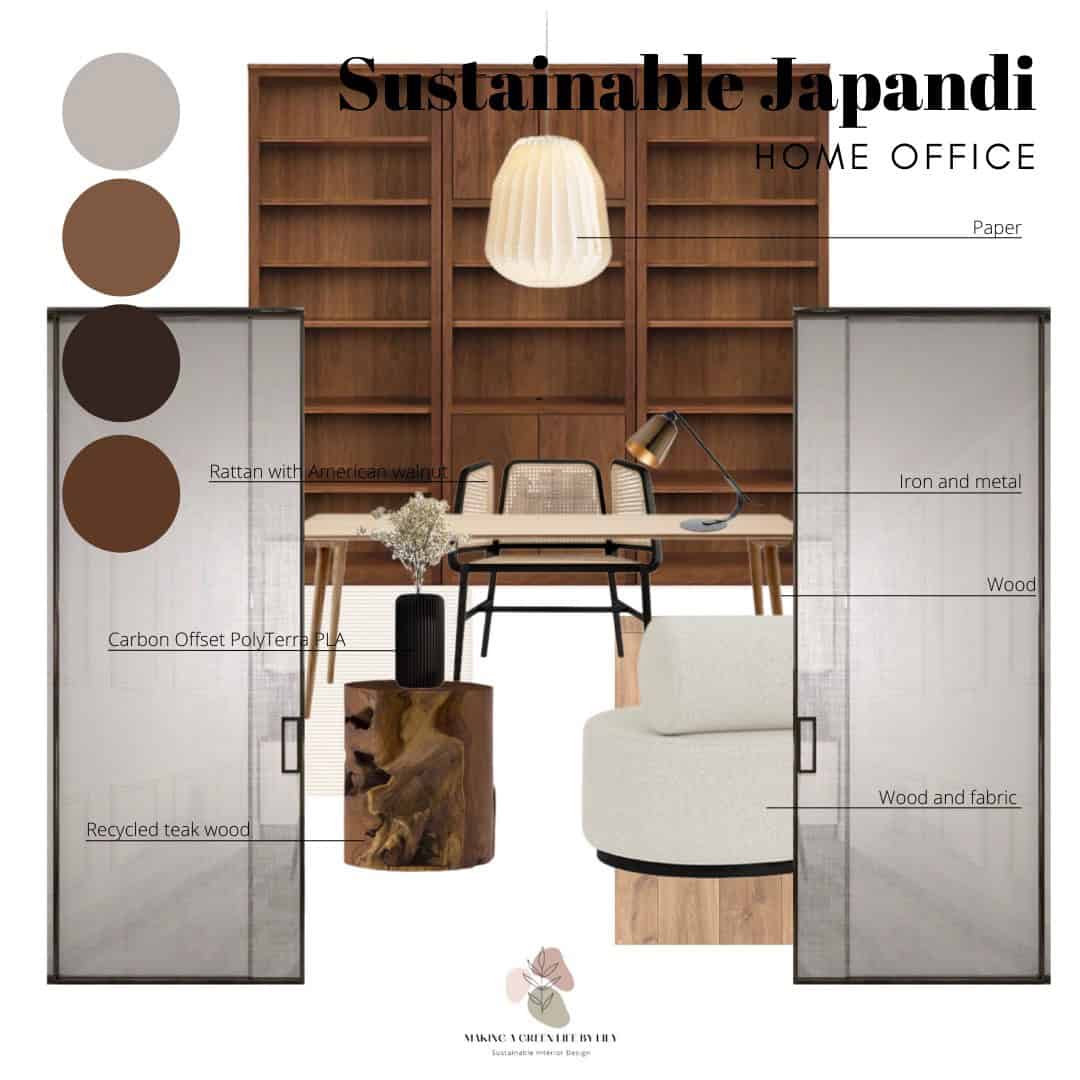
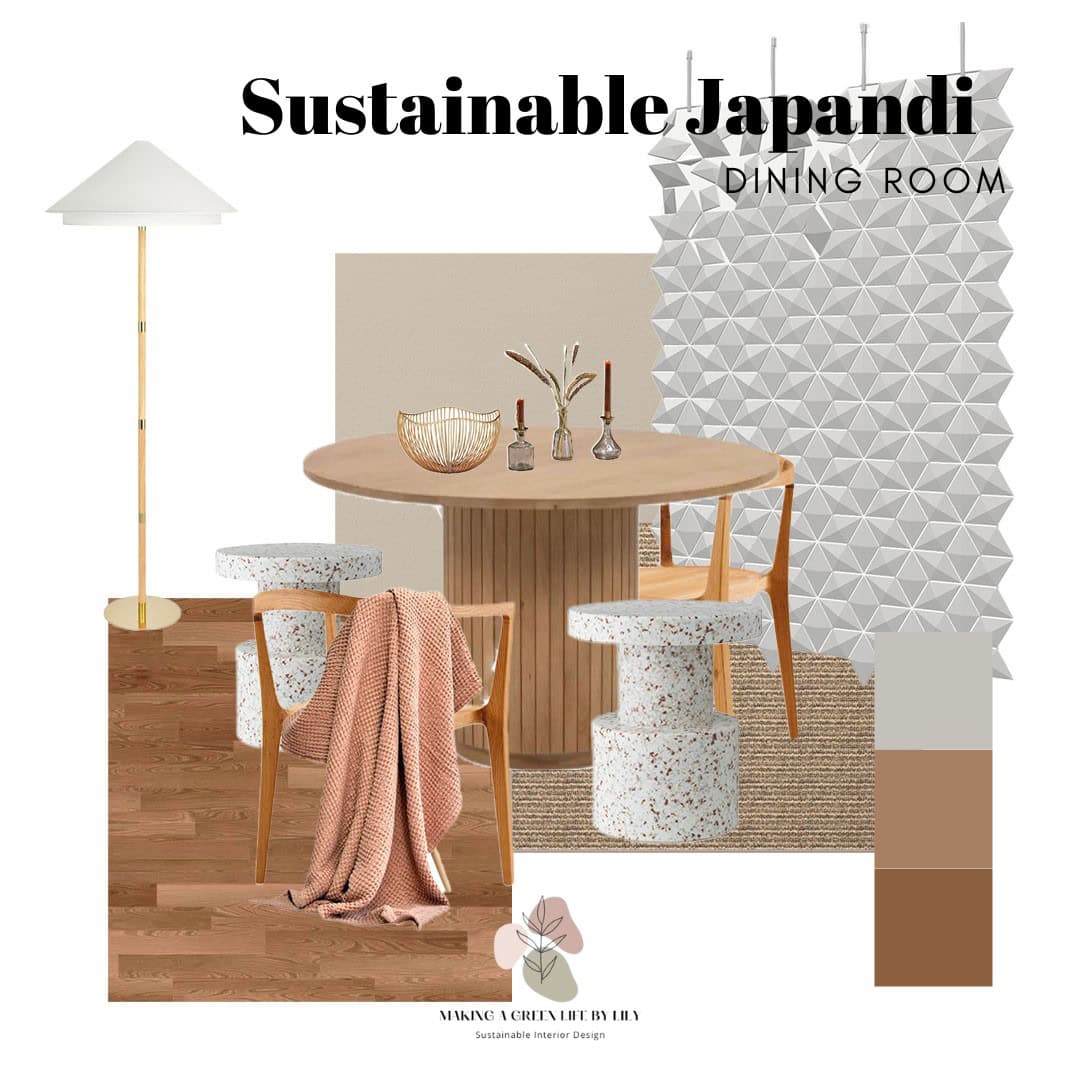
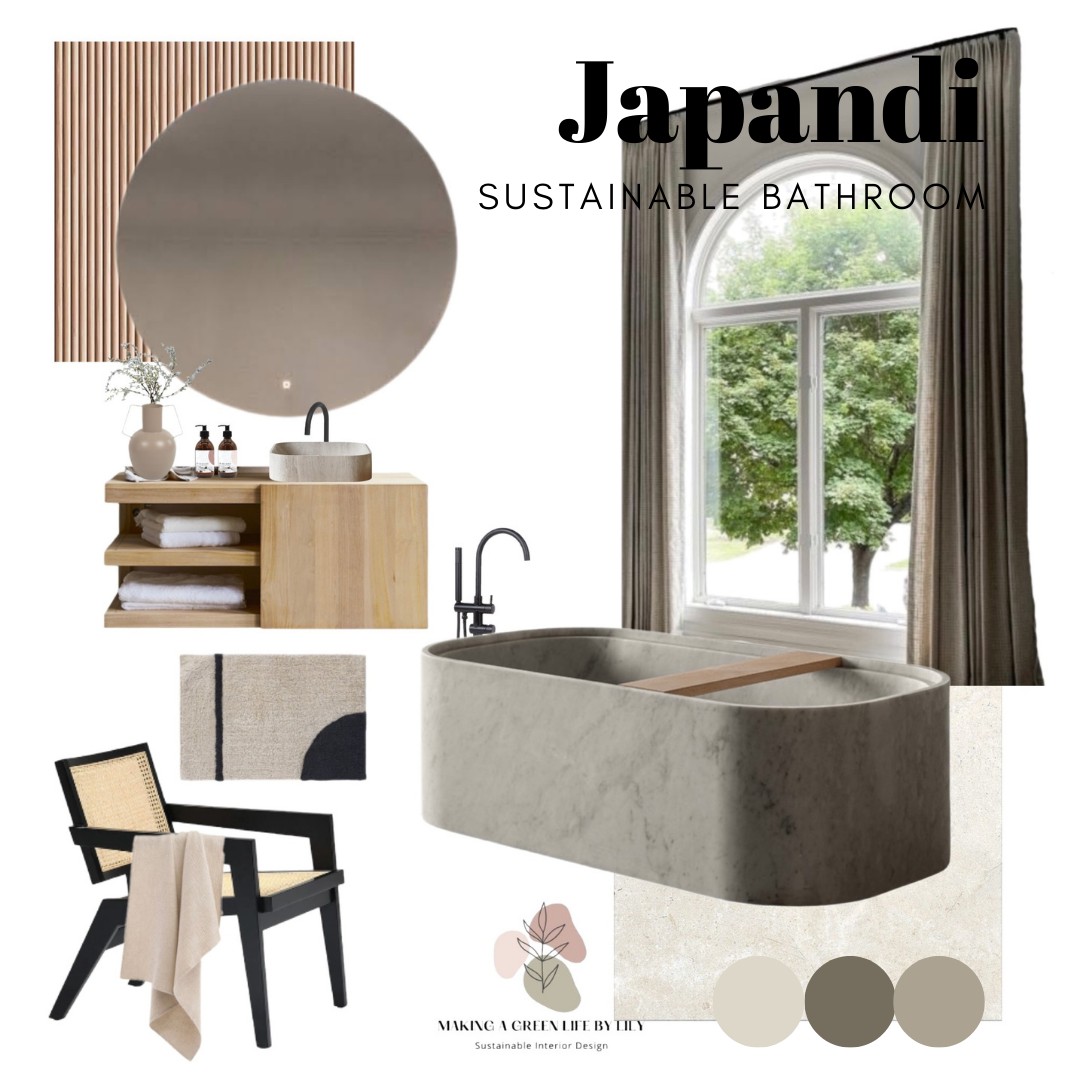
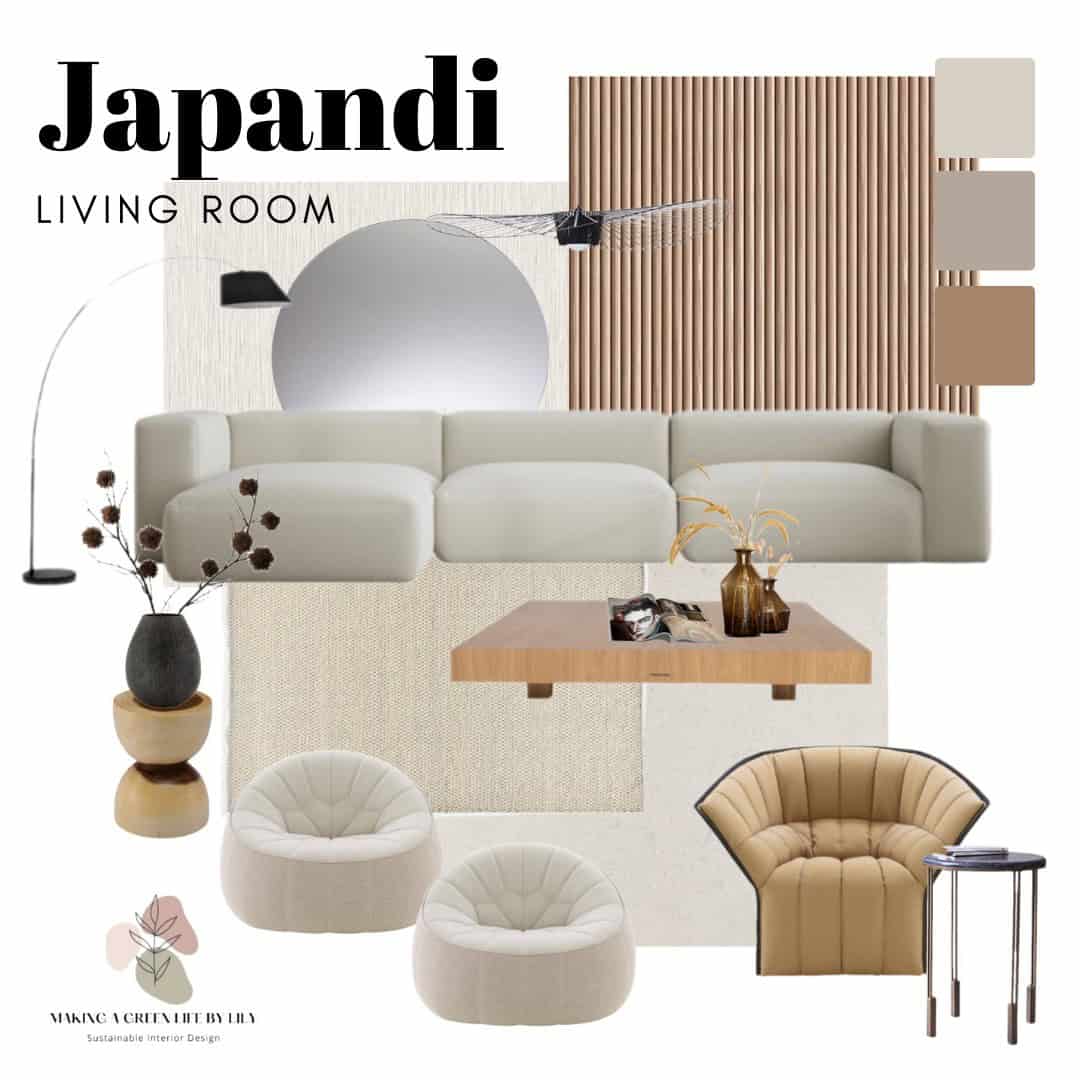
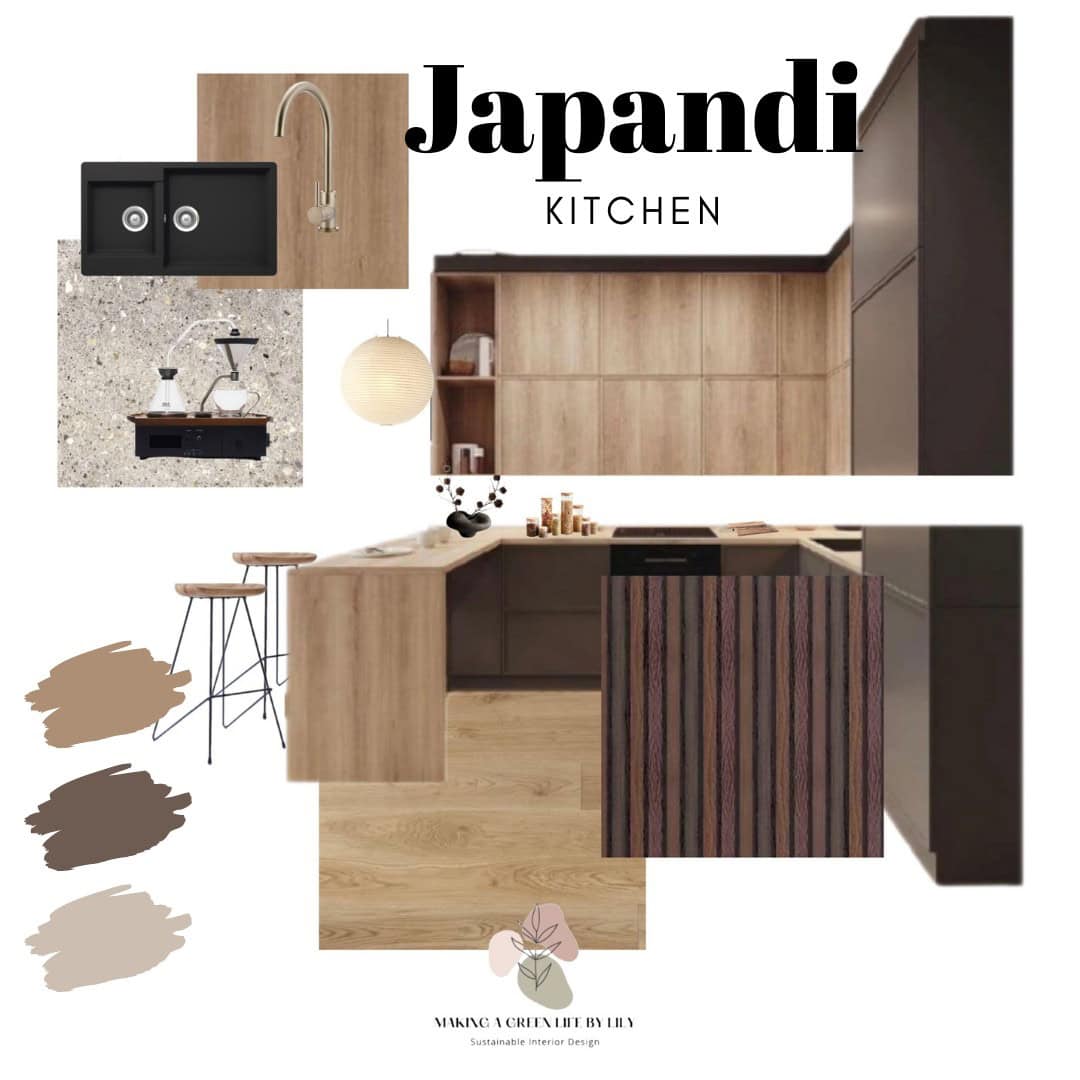
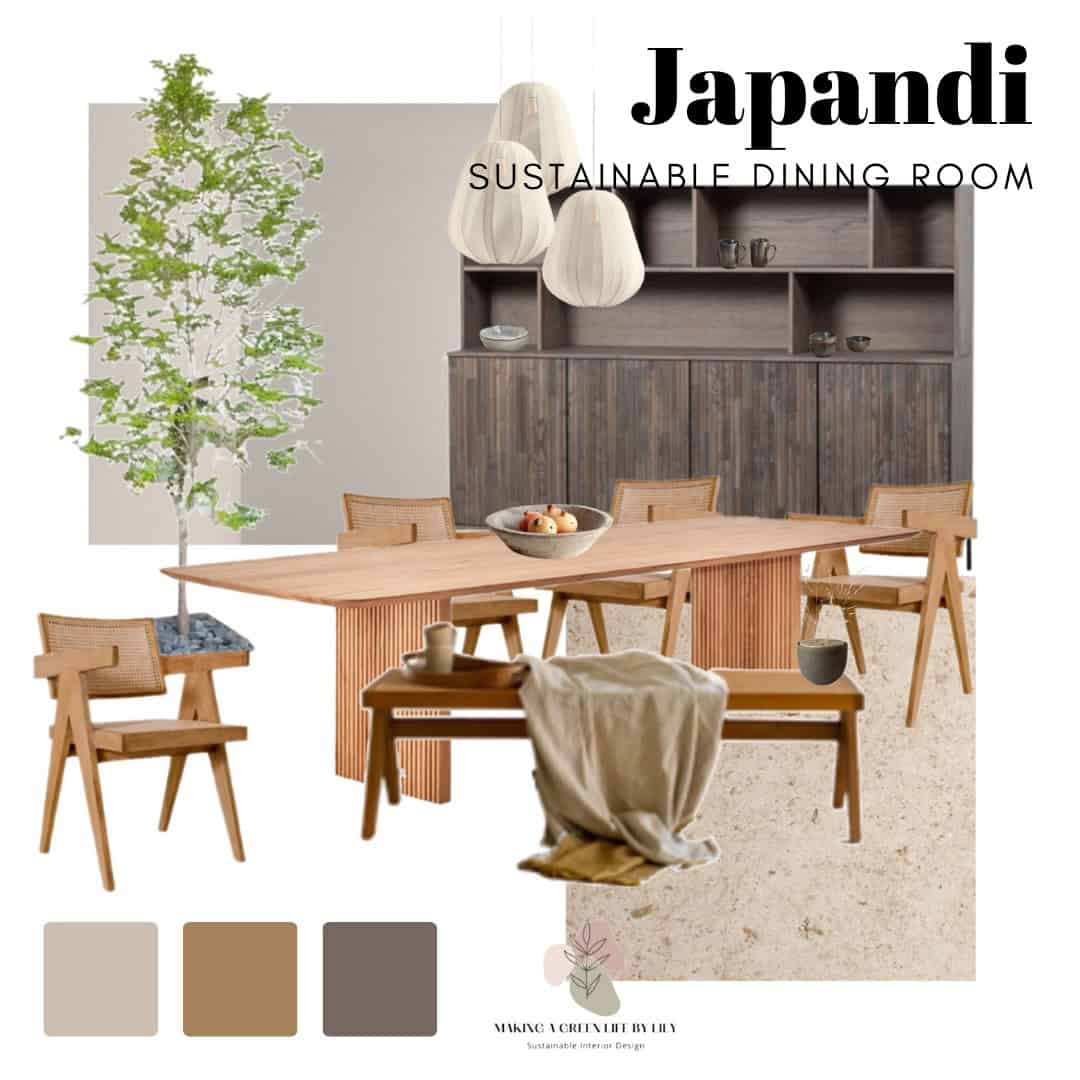
Final Thoughts on How to Mood Board Interior Design
Mood boards can be a great, low-stress way to help guide design decisions while working on a room. As you begin, think about the main feeling you want to achieve in the room: relaxing? modern? warm? You will then be able to choose key furnishings and accents that complement that feeling. I hope you will enjoy creating them and figure out what design style you want in your house
Living Room Mood Board Inspirations
• Sustainable Japandi Style Living Room
• Earth-Friendly Japandi Design Living Room
• Eco-Firneldy Japandi Living Room Mood Board
• Sustainable Japandi Living Room
• Where to Buy Sustainable Japandi Furniture
• Japandi Living Room with Dark Colour Flooring
• How to Create Japandi Style in Your Home?
• Japandi Style Neutral Sustainable Living Room
• Earth Tone Japandi Design Sustainable Living Room
• Earth Colour Accent Japandi Eco Living Room
How to Mood Board Interior Design