How Japandi Design Supports Yoga and Mindful Movement
In a world increasingly focused on wellness, the spaces we move through, whether a yoga studio, a home gym, or a quiet corner for meditation, matter more than ever. The environment we train, stretch, breathe and recover in has a powerful effect on how we feel, perform, and connect with ourselves. A cluttered or overstimulating room can make it harder to focus. But a space that’s calm, grounded, and intentional? That’s where transformation happens.
- How to Create Japandi Style Home Gym in Your Home
- How to Create Japandi Meditation Spaces for A Mindful Lifestyle
- Designing Japandi Spaces for Introverts: Creating Calm in a Chaotic World
This is where Japandi design steps in as more than just a trend. Blending Japanese minimalism with Scandinavian functionality, Japandi interiors create spaces that feel serene yet purposeful—exactly the qualities needed in health-focused environments. Whether you’re designing a boutique Pilates studio, a spa treatment room, or a simple home yoga setup, Japandi gives you a framework that enhances clarity, comfort, and emotional ease.
In this post, we’ll explore five compelling reasons why Japandi style is perfectly suited to wellness-driven spaces—and how it can support your practice, business, or personal rituals with beauty and intention.
#1. Japandi Style Promotes Calm Through Simplicity

One of the most immediate effects of stepping into a Japandi space is a sense of calm. This is no accident. Japandi design is rooted in intentional simplicity, which means removing distractions, visual clutter and unnecessary decoration so that what remains has space to breathe—and so do you.
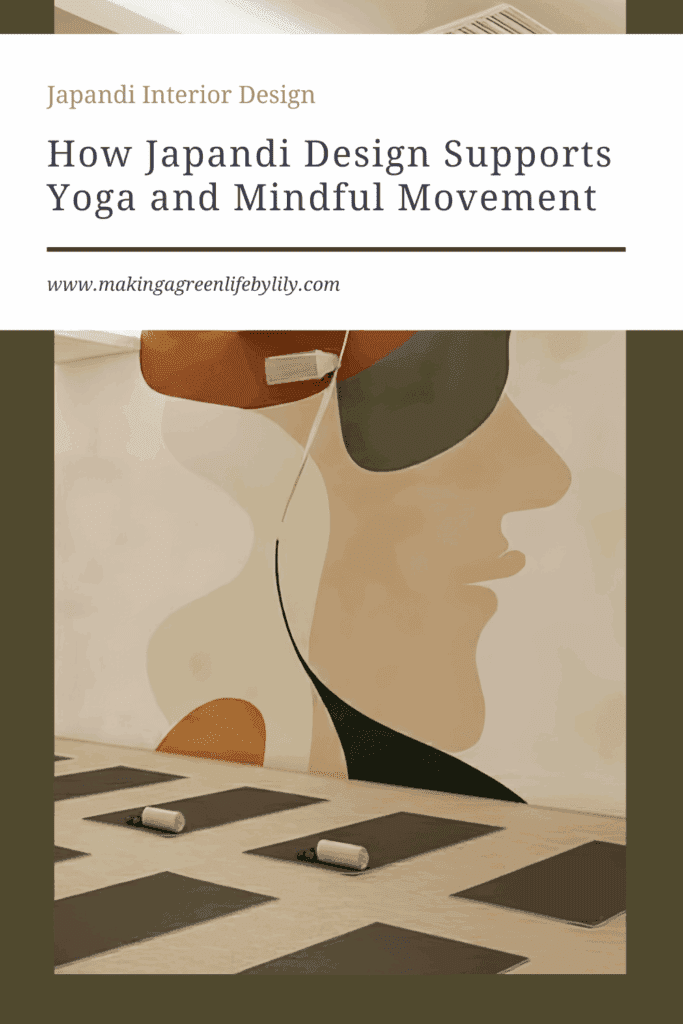
In health-focused settings like yoga studios or massage rooms, this simplicity translates into emotional safety. The space doesn’t overwhelm the senses. It invites you to soften, to let your shoulders drop, to move more mindfully. You’re not distracted by loud colours, shiny surfaces or overcomplicated layouts. Instead, the space guides you gently inward. Clean lines, open floors, and natural materials like wood, stone and linen create an immediate sense of ease. A simple bench made from warm-toned timber or a low, organic coffee table can serve a functional purpose while quietly reinforcing a peaceful tone. In a Pilates studio, where form and flow are everything, this minimalist clarity helps clients stay focused on movement rather than their surroundings.
Japandi also avoids extremes. It’s neither too stark nor too decorative. It strikes a soft balance that feels approachable and nurturing. When your goal is to create a space where people heal, move or rest, this balance becomes essential. Clients may not consciously notice the Japandi principles at play, but they will feel the difference.
#2. Natural Materials Connect the Body and Mind

In any space dedicated to wellness—be it a Pilates studio, a spa, or a yoga room, the goal is often the same: to create harmony between the body and the mind. Japandi style supports this balance by favouring natural, tactile materials that ground us in the present. These aren’t just aesthetic choices. They engage the senses in subtle ways that foster connection, presence and ease.
When you walk barefoot across a wooden floor or run your hand across the grain of a raw oak bench, your body responds. There’s a quiet grounding that happens through texture. In Japandi interiors, surfaces are often intentionally unpolished matte wood, woven rugs, unglazed ceramics. This rawness isn’t about being rustic. It’s about being real. It draws your attention gently to your surroundings, creating a more embodied experience during movement, rest, or recovery.
Health-focused environments often include a mix of active and passive spaces: areas where people move and sweat, and others where they cool down or reflect. Japandi’s use of natural materials transitions beautifully between both. A yoga studio might include wooden beams, linen curtains, and stone incense holders. A massage room might feature soft cotton textiles, untreated timber shelving and ceramic bowls holding warm oils. These elements not only add comfort—they communicate a philosophy of care and quality.
In Japandi design, materials are chosen for their ability to age well. This is particularly meaningful in wellness spaces. Reusable towels, wooden equipment, and even stone washbasins all show character over time. This soft ageing is part of the beauty. It reflects the nature of health itself: something that changes, adapts and evolves. When you create a space using materials that hold this story, it naturally supports the human processes taking place inside it. And there’s a deeper benefit, too. Natural materials are often more sustainable, non-toxic, and gentle on the body. In a health-focused context, where clients are barefoot, lying down, or using equipment close to the skin, this matters. Japandi doesn’t separate aesthetics from ethics. It invites you to choose materials that feel good—not just to the eye, but to the body and the planet.
#3. Neutral Colour Palettes Support Mental Clarity

One of the core strengths of Japandi style is its use of soft, neutral colour palettes. These tones think warm whites, muted greys, natural wood, dusty beige, and stone like browns are not chosen randomly. They are selected to reduce visual noise, create cohesion, and help the mind slow down. In wellness spaces, where people come to reconnect, unwind, or focus, this clarity is invaluable.
When you enter a room designed with Japandi principles, there’s an immediate sense of coherence. The eye isn’t jumping between competing shades or saturated colours. Instead, it glides smoothly across the space. The gentle transition from one tone to the next mimics the natural world—like sand shifting into driftwood, or fog rolling over stone. This softness creates psychological comfort. And that comfort opens the door to deeper presence.
In yoga studios, a calming palette helps students focus inward. The space doesn’t distract it supports. When paired with natural light or warm artificial lighting, these tones foster an almost meditative environment. In a Pilates room, neutral backdrops allow the instructor and student to connect more clearly, without competing visual clutter. The tones work quietly in the background to reinforce focus, flow, and calm.
In spa settings, these palettes heighten the feeling of retreat. There’s no jarring colour that takes you out of the moment. Every surface, from walls to furnishings, feels intentional. A simple combination of chalk-white tiles, light wood benches, and a taupe-toned robe signals luxury—not because it’s opulent, but because it’s harmonious.
These colours also carry less visual “weight.” They don’t tire the eyes or increase overstimulation. For clients who are stressed or overwhelmed when they arrive, this kind of tonal environment creates an almost immediate sense of relief. It feels open, fresh, and breathable. Moreover, Japandi colour palettes offer timelessness. They don’t follow trends, so your wellness space won’t feel dated next year. Instead, it will age gracefully just like the routines, rituals and recovery practices it’s designed to support.
#4. Functionality Meets Emotional Comfort
In wellness-focused spaces, functionality is essential but so is how the space makes you feel. Japandi design beautifully bridges the gap between practical use and emotional nourishment. It ensures that every item has a purpose, yet every element contributes to the overall sense of ease. In environments like yoga rooms, Pilates studios, spas, or gyms, this combination creates an experience that is both seamless and soothing.
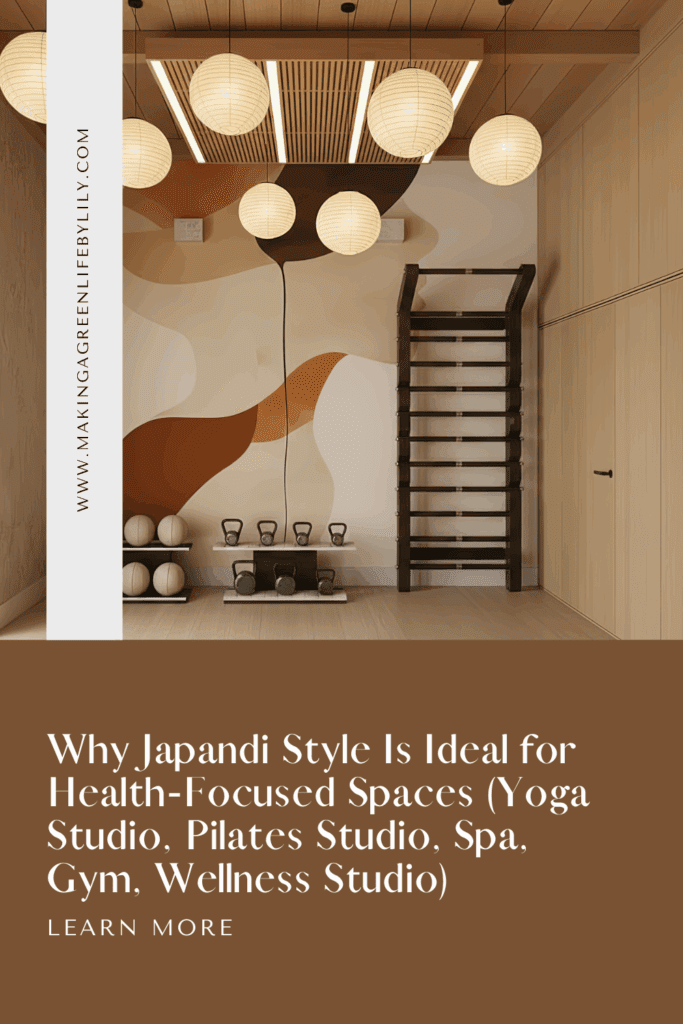
At the heart of Japandi’s approach to function is intentional design. Furniture is not just placed for aesthetics, it’s arranged for movement, clarity, and ease of use. In a Pilates studio, for instance, the open floor plan, the unobtrusive shelving, and the thoughtful storage for equipment all reflect a deep respect for the flow of activity. You can move, stretch, and breathe without interruption. Every object supports the experience, not distracts from it. But Japandi doesn’t stop at practicality. It wraps its functionality in emotional softness. A bench isn’t just a surface to sit on; it might be curved, low-slung, or made of warm timber to signal welcome. A towel rail might be handmade or aged to match the surrounding tones. The room feels cared for, and that care transfers directly to how people feel within it.
This is particularly important in spaces where clients come for healing or recovery. Whether they’re lying in savasana or waiting for a massage, their environment shapes their nervous system. Japandi design avoids anything that might spike the senses, bright lights, hard edges, loud colours and instead offers textures, materials and shapes that settle the body. In this way, the design becomes part of the therapy.
It also speaks to inclusivity. Japandi spaces don’t try to impress or intimidate. They don’t assume you’re already advanced or elite. Their simplicity welcomes beginners and experienced practitioners alike. The quiet elegance says: you belong here. That emotional accessibility is a powerful tool, especially in health-focused businesses.
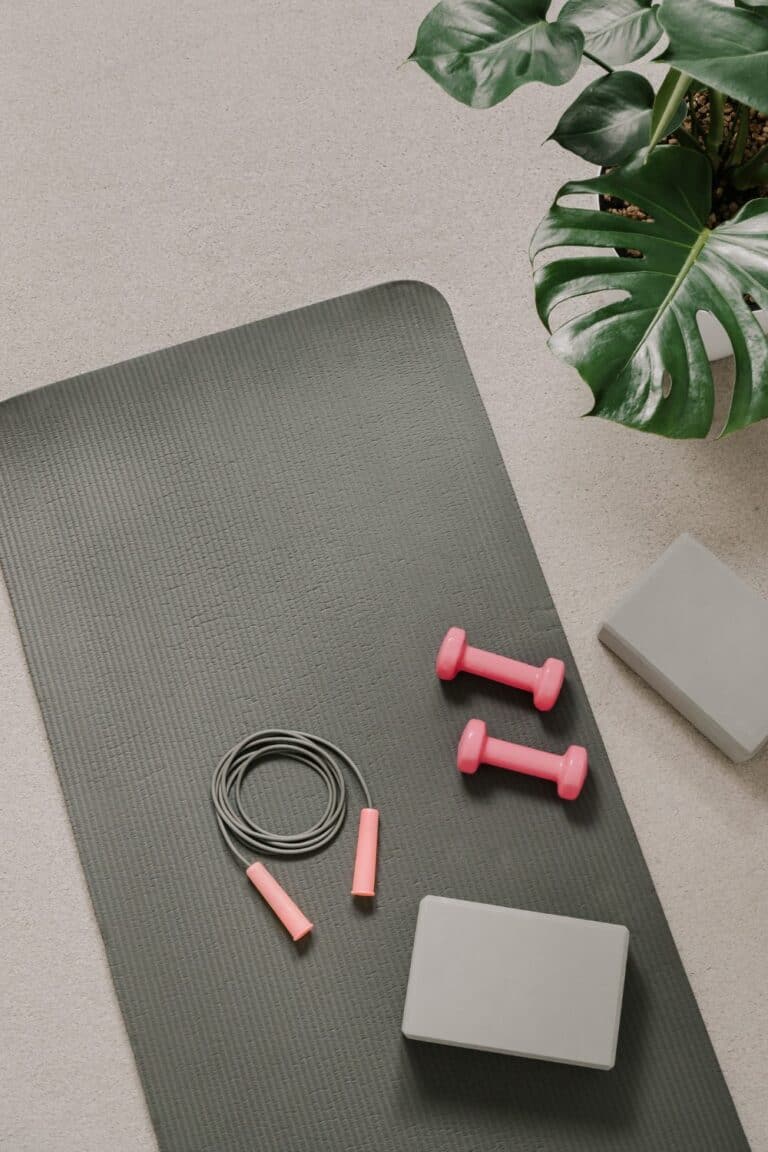
Even storage, the often forgotten element, is handled with grace. Japandi interiors favour concealed, built-in storage that keeps the visual field clean. Yoga blocks, mats, oils or equipment can be tucked away but still easily accessed. The result is a room that always looks calm, even when it’s busy. Ultimately, Japandi teaches that comfort isn’t created by how much you include, but by how well each thing serves a purpose. That clarity of intention is what makes the design feel intelligent and the experience feel gentle.
#5. Minimalism That Encourages Mindfulness

Japandi’s minimalist foundation makes it especially powerful in wellness spaces because it doesn’t promote emptiness for the sake of style—it promotes presence. The simplicity in Japandi design isn’t about removing character. It’s about removing distraction so that the person in the room can feel more connected to their breath, their body, and the moment they’re in.
In a health-focused environment, this is key. When you walk into a space that’s clutter-free, with clean lines, open surfaces, and intentional quiet, your mind responds. Your nervous system has fewer things to process. You settle more easily. Whether you’re stepping onto a yoga mat, receiving a massage, or simply stretching after a workout, you’re more likely to move mindfully in a space that supports stillness through its design.
Japandi minimalism doesn’t feel cold or clinical. That’s where it differs from more rigid minimalist styles. Because it incorporates the warmth of natural materials and the softness of imperfection, it creates a kind of understated elegance that feels human. In a spa, this might look like a treatment room with only the essentials: a well-made massage bed, soft linen sheets, a clay oil burner, and a wooden stool. Nothing more is needed—and nothing more is present. The result is a feeling of lightness.
In a yoga or meditation room, this minimalism allows each practitioner to engage with the space without comparison or distraction. You’re not focused on decorative clutter or design gimmicks. You’re focused on your breath, your alignment, your presence. That focus is exactly what wellness practices are designed to cultivate—and the space amplifies it. Even in home gyms, Japandi design offers relief from the overstimulating aesthetic of traditional fitness spaces. There’s no neon lighting, no busy posters, no aggressive branding. Just simplicity. A mat. A bench. Maybe a linen curtain or a bamboo screen to soften the room. These small choices create a home workout space that feels nourishing, not punishing.
What’s remarkable is how this minimalism extends beyond the visual. Japandi rooms are also energetically minimal. They feel lighter, quieter, and slower. That’s because there’s intentional room for pause. And that, ultimately, is the greatest gift Japandi brings to wellness design. It creates rooms that breathe. And when the space breathes, so do you.
Final thoughts on Why Japandi Style Is Ideal for Health-Focused Spaces (Yoga Studio, Pilates Studio, Spa, Gym, Wellness Studio)
Wellness isn’t just shaped by what we do, it’s shaped by where we do it. A space that encourages slow breath, mindful movement, and inner calm is just as important as the practice itself. Japandi design offers that kind of space. Through natural materials, intentional minimalism, and a focus on emotional comfort, it supports the rituals of rest, movement, and healing in quiet but powerful ways.
Whether you’re creating a boutique yoga studio, a peaceful Pilates corner, a serene spa room or a soothing home gym, Japandi gives you a framework that enhances both focus and feeling. It doesn’t try to impress. It simply supports. And in a wellness-focused world, that support is exactly what we need more of.
Related Japandi Articles:
- 5 Japandi Spring Colour Palettes to Refresh Your Home for the Season
- How To Create Family-Friendly Japandi Home
- The Role of Negative Space in Japandi Design: A Scientific Perspective
5 Brilliant Ways To Use Wood Wall Panelling In Japandi Style Home
5 Reasons You Should Opt for Wood Slat Panelling for Your Japandi Home
5 Ways to Create A Zen-Like Peaceful Environment in Your Japandi Home
- 5 Steps You Should Consider When Choosing A Bed For Japandi Bedroom
- Why More Craftmanship in Japandi?
- Colours of Japandi Design
Where to Buy Sustainable Japandi Furniture in the UK and Netherlands