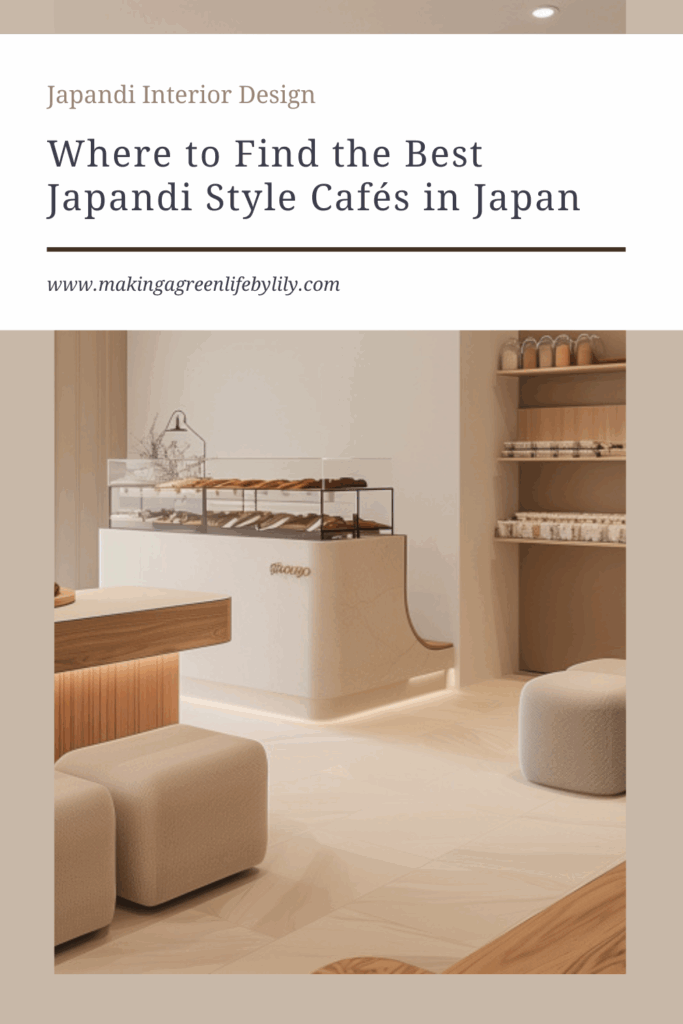
Where to Find the Best Japandi Style Cafés in Japan
Japandi design might be a global interior trend now, but its roots are deeply embedded in the everyday spaces of Japan—especially its cafés. From quiet lanes in Kyoto to stylish corners of Tokyo, these cafés embody the natural materials, warm minimalism and thoughtful simplicity that define the Japandi aesthetic. For anyone dreaming of a home, studio or shop inspired by Japandi style, there’s no better way to find inspiration than to see how real cafés bring it to life.
What makes these cafés so special isn’t just the soft lighting or muted colour palettes; it’s how the design supports experience. Every bench, cup, and timber shelf serves a purpose. Nothing is overly styled, but everything feels intentional. It’s a celebration of form and function, stillness and warmth—qualities that are hard to put into words, but easy to feel once you step inside.
- Unique Japandi Cafés
- The Perfect Match: Why Japandi Design Creates the Ultimate Yoga & Pilates Space
- Minimalism vs. Warmth: How Japandi Balances Them Perfectly
This curated list takes you through 10 cafés across Japan, from major cities like Tokyo and Osaka to peaceful stops in Kanazawa and Nara. Whether you’re a designer, a café owner, or a Japandi enthusiast looking for visual reference, these spaces offer real-world insight into how to design for calm, beauty and presence.
Let’s begin our tour with a quiet gem in Tokyo.
#1. Blue Bottle Coffee Shibuya – Tokyo

Located in the quiet backstreets of Shibuya, this Blue Bottle Coffee branch is a study in calm, intentional design. While Shibuya is known for its neon lights and fast-paced energy, stepping into this café feels like entering a different rhythm, one that reflects the balance and restraint of Japandi aesthetics.
The space combines raw industrial bones—exposed concrete ceilings, ventilation ducts, and polished concrete floors with the warmth of natural wood and soft daylight. The curved coffee counter is finished in earthy, brick red tiles that add depth and tactility, grounding the otherwise pared-back interior. Behind it, baristas move in a clean, uncluttered workspace that highlights process rather than spectacle.
Seating is deliberately minimal but thoughtfully arranged. Pale timber chairs line the large windows, encouraging guests to sit slowly, face the trees outside, and let the pace of the city fall away. Larger communal tables in ash wood create an easy flow for groups or solo visitors, softened by the natural light that pours in through the floor-to-ceiling glazing. The effect is both open and intimate, depending on where you choose to sit.
The overall palette is restrained greys, warm woods, and muted tiles, yet far from cold. Instead, it feels lived-in and tactile. Even the smallest details echo Japandi values: the ceramic cups are simple and elegant, the shelving is orderly but never over-styled, and the lighting is warm, casting soft shadows that shift with the day.
What sets this Blue Bottle apart is how it manages to create a sanctuary in the heart of Shibuya. The design doesn’t distract; it guides. Every surface and material feels intentional, designed to heighten awareness of the moment, your coffee, your company, the quiet outside world. For designers and café owners, this location is a perfect example of how Japandi can adapt to urban environments: functional yet deeply calming, industrial yet softened by natural materials. It shows that in a city as fast as Tokyo, stillness can be designed.
#2. Kissa Kishin – Kyoto

Located in Kyoto’s Higashiyama district, Kissa Kishin is a serene café that feels like an elegant conversation between tradition and modern restraint. Unlike trend-driven spaces, this café embodies the enduring spirit of Japandi design where Japanese authenticity and Scandinavian simplicity naturally meet.
From the street, the entrance is marked by a soft linen noren curtain, its minimal logo hand printed in delicate strokes. The exterior is modest, almost blending into its surroundings, yet the sense of intention is immediate. Large timber framed glass doors open to reveal a space where every material has been chosen for calm: pale oak tables, woven stools, and shelves lined with pottery, each piece more functional than decorative.
Inside, the palette is warm and cohesive. Smooth beige plaster walls sit alongside exposed dark beams, grounding the space in Kyoto’s machiya heritage. Natural light pours through wide windows, casting shifting patterns across pale wood furniture and whitewashed shelves. In the evenings, the glow of washi-inspired pendant lamps fills the café with a golden softness, quiet, never overbearing. The seating arrangement encourages intimacy without clutter. Long communal tables invite quiet conversations, while smaller round tables near the windows create private nooks overlooking the green landscape outside. Storage baskets tucked beneath tables and soft cushions on benches highlight the practical yet welcoming nature of the design—proof that simplicity can still feel generous.
One of Kissa Kishin’s defining features is its balance between modern Scandinavian touches like smooth oval tables and linen textured lamps and traditional Japanese grounding elements, such as shoji-inspired lines and earthen walls. Even the display shelves feel curated for presence: ceramic teapots, hand-thrown bowls, and understated vases, each celebrating both craft and utility.
Kissa Kishin isn’t just a place to drink coffee or tea, it’s a living demonstration of Japandi principles in action. By honouring Kyoto’s historical architecture while introducing Scandinavian clarity, it creates a space that feels timeless rather than styled. For designers, café owners, and homeowners alike, Kissa Kishin offers a lesson in restraint, humility, and the quiet luxury of essentials done well.
#3. Murmur Coffee – Kyoto

Set along the calm Takase River in Kyoto, Murmur Coffee blends everyday warmth with quiet, functional design, an atmosphere that feels unmistakably Japandi. Unlike flashy cafés that demand attention, Murmur whispers softly, inviting guests to pause and slow down.
From the outside, the façade is simple: horizontal timber slats in muted tones, framed by pale wood doors and windows. The signage is minimal, almost disappearing into the architecture. Step inside, and the ambience shifts, you’re welcomed into a space that balances Scandinavian clarity with Japanese modesty. Large windows line the café, offering generous views of trees and the water outside. This connection with nature sets the tone: sunlight filters through the glass, changing the mood of the café throughout the day, while the seating is arranged to orient guests toward the view. The effect is both grounding and expansive.
The interior design is a play of contrasts, dark walls and ceilings anchor the space, while pale oak furniture brings warmth and brightness. The tables and chairs are simple but crafted with care, echoing the Japandi ethos of functionality elevated by natural materials. Some seating mixes in reclaimed or unconventional wooden chairs, which add an element of imperfection and individuality, subtle nods to wabi-sabi. At the heart of the café sits the barista counter: compact, efficient, and beautifully restrained. The wooden counter contrasts against the matte black shelving and chalkboard menus, giving the space a modern yet approachable rhythm. Coffee equipment and roasting tools are displayed openly, not hidden away, turning function into part of the design.
Lighting is warm and intentional. Pendant lamps cast gentle pools of light across each table, softening the darker palette and highlighting the tactile qualities of the wood. The atmosphere feels intimate without being heavy, perfect for quiet reading, conversation, or simply watching the river drift by.
Murmur Coffee is where Japandi principles come to life through subtlety and restraint. It doesn’t rely on showpieces or ornate decoration. Instead, it demonstrates how to create a calm environment using balance: dark and light, open and enclosed, simple and detailed.
#4. FabCafe Hida – Takayama

Located in the heart of the mountainous Gifu Prefecture, FabCafe Hida blends old world craftsmanship with contemporary minimalism in a way that feels deeply rooted yet effortlessly modern. Situated in a beautifully restored traditional timber house, this café and creative space is a standout example of Japandi design infused with regional soul.
From the exterior, FabCafe Hida honours its historical context. The structure retains its original wooden framework, deep eaves, and latticed façade, offering a quiet presence that feels more like a residence than a café. Yet as soon as you step inside, it becomes clear that this is a space where tradition and innovation are holding hands. The interior is a dream for Japandi enthusiasts. Exposed hinoki beams, white clay plaster walls, and an open floor plan create a serene backdrop. Soft textiles in muted greys and raw linens drape casually over benches, and low-profile lighting fixtures offer a warm, atmospheric glow. Here, natural imperfection is not edited out, it’s showcased.
FabCafe Hida is more than just a place for coffee. It’s a community space for woodworking, design, and digital fabrication, which gives the interior a dual purpose—creative and reflective. Yet despite the mix of uses, the space never feels busy or disjointed. Everything is unified by its material palette and its philosophy of simplicity. The café counter is crafted from locally sourced timber and pairs beautifully with rough edged ceramic cups and unvarnished serving trays. You can sip single-origin pour-overs while watching designers at work or craftsmen carving furniture in the adjoining studio space. It’s a holistic experience that blurs the line between product and process, something very much in line with Japandi’s appreciation for how things are made.
Even the furnishings tell a story. Chairs and stools are designed and built on site, with visible joinery and soft shaping that echo both Japanese and Scandinavian woodworking traditions. It’s tactile, honest, and full of character.
#5. Cafe Kawataro – Kyoto

Nestled quietly in Kyoto, Café Kawataro is the kind of place where time seems to slow down. Rooted in the elegance of traditional Japanese architecture yet softened with Scandinavian restraint, it embodies Japandi design in one of its most tranquil forms.
From the outside, the entrance is discreet muted beige walls, dark timber latticework, and a simple white noren curtain that signals hospitality without fanfare. Step through, and the interior unfolds into a space of quiet sophistication where garden views, natural textures, and pared-back furniture shape the experience. The heart of the café is its connection to the outdoors. Wide glass panels line the main seating area, framing a lush Japanese garden that changes with the seasons. Whether it’s fresh greens in spring, fiery maple in autumn, or snow dusted branches in winter, the garden becomes a living artwork, blurring the boundary between interior and exterior. This seamless integration of nature is one of the defining qualities that makes Café Kawataro distinctly Japandi.
Inside, the design is restrained yet warm. Smooth plaster walls and dark-stained floors provide a calm backdrop, while pale timber tables and chairs add balance and warmth. The furniture is clean lined and functional, with a distinctly Scandinavian sensibility, yet it feels perfectly at home within the Japanese setting. Seating is arranged for both intimacy and community: a long communal table encourages gatherings, while quiet corners offer moments of solitude. Lighting is minimal but intentional. Pendant lamps with simple white shades hang above the tables, their soft glow creating a golden warmth in the evenings. During the day, natural light dominates, shifting gently across the space as it reflects off wood and plaster.
The atmosphere is contemplative, almost meditative. Conversations are hushed, and the sound of footsteps on the wooden floor echoes gently through the room. This stillness is intentional, it reflects the Japandi value of slowing down and appreciating the essentials. Café Kawataro is a perfect example of how Japandi style can feel both rooted and modern, merging Japanese respect for tradition and nature with Scandinavian simplicity. It’s not just a café, but an environment designed for presence—where each element, from the garden view to the warm wood textures, supports calm and clarity.
#6. Pon Pon Cafe – Chiba

Set within a renovated traditional Japanese house in the countryside of Chiba, Pon Pon Café embodies the heart of Japandi design: quiet respect for history, paired with a modern clarity that feels warm and welcoming.
From the outside, the café retains its traditional character with a tiled roof and wooden beams, sitting comfortably against a backdrop of trees and open space. There’s a sense of honesty in its presentation, it doesn’t try to disguise its roots, but instead refines them through thoughtful details. Step inside, and the design reveals its Japandi spirit. Pale wood floors and beams frame a series of intimate spaces, each softened with natural light. Seating is a mix of low traditional platforms with zabuton cushions and simple wooden chairs with Scandinavian inspired curves. The palette is natural oak, soft white walls, muted fabrics—highlighted by the greenery that punctuates each corner. Potted plants and small bonsai arrangements create moments of calm throughout, blurring the line between indoor and outdoor life.
The central room opens into a light filled dining area, where timber-framed windows look out onto the surrounding garden. Here, the Japandi principle of flow between nature and interior is deeply felt: the garden becomes part of the café’s atmosphere, its changing seasons reflected in the shifting quality of light and shadow inside. Furnishings are both functional and warm. Scandinavian style chairs sit alongside handcrafted Japanese pieces, such as a small ladder style shelf displaying pottery, tea vessels, and simple wooden toys. Nothing feels overly styled. Each object has a place and a purpose, contributing to a lived-in authenticity.
#7. Shiki – Kitakyushu

Located in northern Kyushu, Shiki is a bright, modern café that perfectly demonstrates how Japandi design thrives in contemporary urban spaces while staying rooted in simplicity and warmth. The name itself—Shiki, meaning “four seasons” is fitting, as the café feels designed to shift gracefully with time and nature.
From the outside, Shiki presents a minimalist black façade with wide windows across two floors. The architecture is straightforward, almost industrial, but inside the atmosphere completely transforms: airy, light-filled, and softened by natural wood and thoughtful design details. The ground floor leads you toward the counter, where pale timber and white walls establish a calm, uncluttered aesthetic. As you move upstairs, the space opens into a generous, light-filled dining area. Floor to ceiling windows line the room, drawing in daylight and framing views of the surrounding neighbourhood. This constant flow of light softens the clean architectural lines and creates a sense of connection with the outside world, an essential element of Japandi design.
The interior balances Scandinavian clarity with Japanese grounding. Pale oak floors and wooden tables pair with spindle-back chairs, some in natural finishes and others in black for contrast. Seating is varied: long communal tables for groups, smaller round tables for quiet moments, and a few lounge chairs for those who want to linger. The mix is unified by consistency in material and tone, never overwhelming the senses. One of the highlights is the lighting design. Paper lantern pendants hang in clusters, their organic forms casting soft pools of light that contrast beautifully with the clean, modern lines of the furniture. Each lamp feels sculptural yet gentle, a functional objects that double as a visual anchor.
What makes Shiki especially distinctive is its philosophy. The café was founded with the desire to share the value of skilled craftsmanship and the importance of cherishing high-quality Japanese made products for years to come. By using domestically crafted furniture and pairing it with healthful Japanese tea, Shiki carries a mission: to celebrate and communicate the quiet beauty of Japanese living. This ethos extends seamlessly into its design, where nothing is excessive, and every detail honours both tradition and modern lifestyle. Touches of greenery, potted plants, and small arrangements are placed sparingly but with purpose. Nothing feels decorative for its own sake; instead, every element contributes to the overall calm and clarity of the space.
Shiki in Kitakyushu shows how Japandi style can be applied in a modern, urban setting without losing its sense of intimacy and balance. It’s an excellent example for anyone designing cafés or studios that aim to be both practical and quietly beautiful, reflecting the seasonal rhythms of life.
#8. Sikito Cafe – Tokyo

In the bustling Nihonbashi district, Sikito Café brings a refreshing sense of calm to one of Tokyo’s busiest business hubs. While not strictly Japandi in the traditional sense, the café reflects many of the same values: balance, natural warmth, and intentional simplicity.
The interior is contemporary Japanese minimalism: pale oak walls, soft furnishings in muted earthy tones, and generous natural light flooding in through tall glass windows. Large vases filled with seasonal greenery act as living focal points, softening the sharpness of the architecture and connecting the café to nature, a gesture very much aligned with Japandi principles. Furniture choices mix comfort and restraint. Upholstered chairs in warm neutrals sit alongside smooth wooden tables, offering a setting that works equally well for a quick weekday lunch or a slow coffee. Lighting is carefully layered: large glowing pendants paired with discreet wall sconces ensure the café feels bright during the day but warmly intimate in the evening.
What sets Sikito Café apart is its emphasis on well-being in a professional setting. Located in a fast paced business area, the design prioritises openness, natural textures, and moments of pause, offering city workers a sense of balance that feels close to Japandi living. Rather than being a textbook example of Japandi style, Sikito represents how its values natural materials, light, greenery, and functional calm can inform a modern urban café. For anyone designing cafés or studios in high-traffic areas, it’s proof that you can bring softness and stillness even into the busiest corners of the city.
#9. Et -THE CULTURAL COFFEEHOUSE- Tokyo

Perched on a quiet corner in Tokyo, Et – The Cultural Coffeehouse is more than a café: it’s a space where design, culture, and community intersect. Its aesthetic leans toward contemporary Japanese minimalism, but its sculptural use of form and natural materials resonates strongly with Japandi values of restraint, balance, and presence.
The exterior is bold yet pared back a concrete base supporting warm terracotta brick above, with large glass windows revealing the light-filled interior. Inside, the design is striking in its simplicity. Smooth, curved walls and pale surfaces create a gallery-like atmosphere, while custom-made tables and stools in wood and stone feel more like crafted objects than standard furniture. Each piece is sculptural yet functional, highlighting the artistry of everyday objects. The palette is intentionally neutral: sand tones, soft greys, and warm beige, layered with the organic textures of wood. This restraint allows light to become the primary design element. Large windows frame views of the surrounding streets, while daylight shifts across the minimalist surfaces, constantly redefining the mood of the café.
Seating is communal but flexible. A long, monolithic stone-like table stretches across one section of the café, inviting conversation, while smaller round tables and built-in counters create more private nooks. Nothing feels accidental—every line, curve, and surface has been designed with precision, reflecting both Scandinavian functionalism and Japanese attention to material honesty. Shelving along the walls is carefully curated, displaying coffee beans and artisanal goods more like gallery exhibits than retail items. This presentation reinforces the café’s cultural mission: to treat coffee and design as part of a broader lifestyle experience rather than separate functions.
The name The Cultural Coffeehouse reflects this vision. It’s a space where drinking coffee becomes part of a larger cultural dialogue—about craftsmanship, slow living, and design as an everyday ritual. In this sense, the café embodies a key Japandi principle: elevating the ordinary through clarity, restraint, and intention.
#10. CAFE KUTSUROGI – Kyoto

Tucked away in a quiet residential street, CAFE KUTSUROGI is designed exactly as its name suggests: a place to kutsurogu, or relax. With interiors defined by pale wood, soft light, and calm proportions, the café is an embodiment of Japandi design.
The space feels at once Japanese and Scandinavian. Slatted wood partitions divide the seating areas with a sense of rhythm and privacy, while round wooden tables and spindle-back chairs evoke Nordic warmth. The colour palette is kept intentionally muted—natural beiges, soft greys, and pale timber allowing texture and form to do the work. Even the alcove niche, softly lit and holding a single vase arrangement, recalls both a Japanese tokonoma and a minimalist Scandinavian shelf display. Light filters gently through small high set windows, bouncing across the pale surfaces and giving the café a serene glow. This use of light and restraint makes every seat feel intimate, whether you’re enjoying a quiet moment alone or sharing tea with a friend. The curved walls and rounded furniture soften the geometry, bringing a quiet sense of comfort.
The design here demonstrates how Japandi can thrive in compact urban cafés. Instead of overwhelming with décor, CAFE KUTSUROGI focuses on essentials: quality materials, calming tones, and a sense of balance. It’s a reminder that relaxation doesn’t need to be indulgent or elaborate—it can be found in the simplest pairing of wood, light, and space.
Final thoughts on 10 Japandi Design Cafés in Japan: Real-World Inspiration from Tokyo to Kyoto
Japandi design isn’t just a look—it’s a feeling. And nowhere is that feeling more alive than in the real-world cafés of Japan. From Kyoto’s quiet tearooms to Tokyo’s minimalist coffee spots, each of these cafés shows how simplicity, natural materials, and functional calm can create a space that supports both presence and pleasure.
What makes these cafés so special isn’t just their furniture or finishes; it’s how thoughtfully each one has been crafted to encourage slower moments, deeper breathing, and genuine connection. They’re not just beautiful; they’re grounding. Whether you’re designing a wellness space, working on your own Japandi style home, or just dreaming from afar, these ten cafés offer rich, practical inspiration that proves serenity doesn’t require silence; it just requires intention.
Related Japandi Articles:
- 5 Japandi Spring Colour Palettes to Refresh Your Home for the Season
- How To Create Family-Friendly Japandi Home
- The Role of Negative Space in Japandi Design: A Scientific Perspective
5 Brilliant Ways To Use Wood Wall Panelling In Japandi Style Home
5 Reasons You Should Opt for Wood Slat Panelling for Your Japandi Home
5 Ways to Create A Zen-Like Peaceful Environment in Your Japandi Home
- 5 Steps You Should Consider When Choosing A Bed For Japandi Bedroom
- Why More Craftmanship in Japandi?
- Colours of Japandi Design
Where to Buy Sustainable Japandi Furniture in the UK and Netherlands
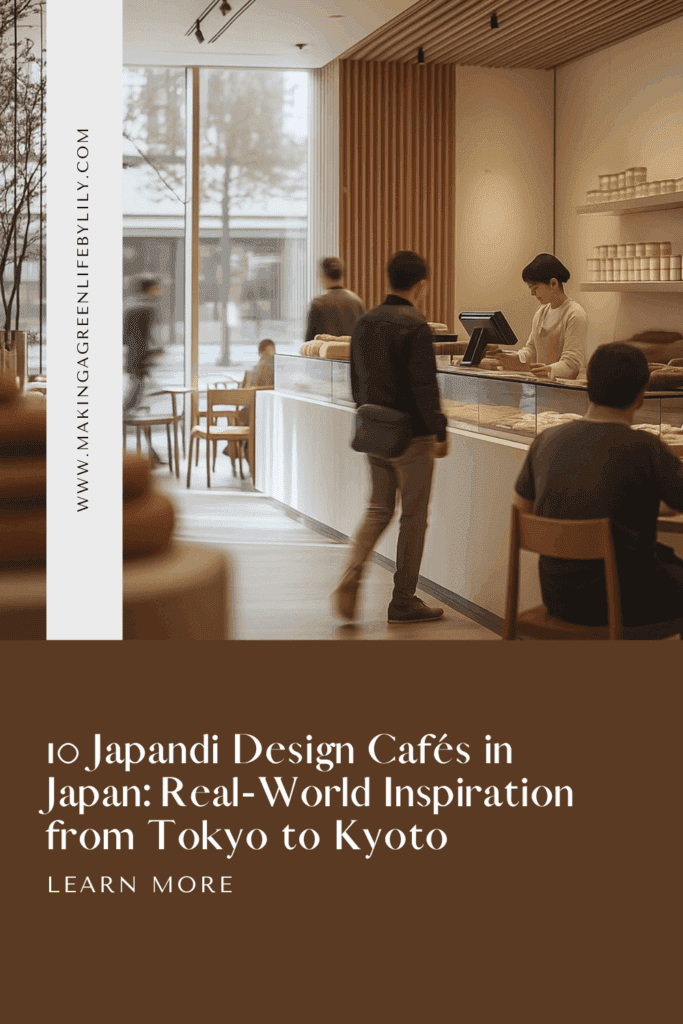
10 Japandi Design Cafés in Japan: Real-World Inspiration from Tokyo to Kyoto