
How to Use Tatami Mats in a Japandi Interior
Tatami has been part of Japanese interiors for over a thousand years, once a symbol of refinement and simplicity, now rediscovered by modern designers who appreciate its quiet elegance. Traditionally made from woven rush grass and filled with straw, these mats were used to cover entire floors, bringing comfort, texture, and a sense of calm to Japanese homes.
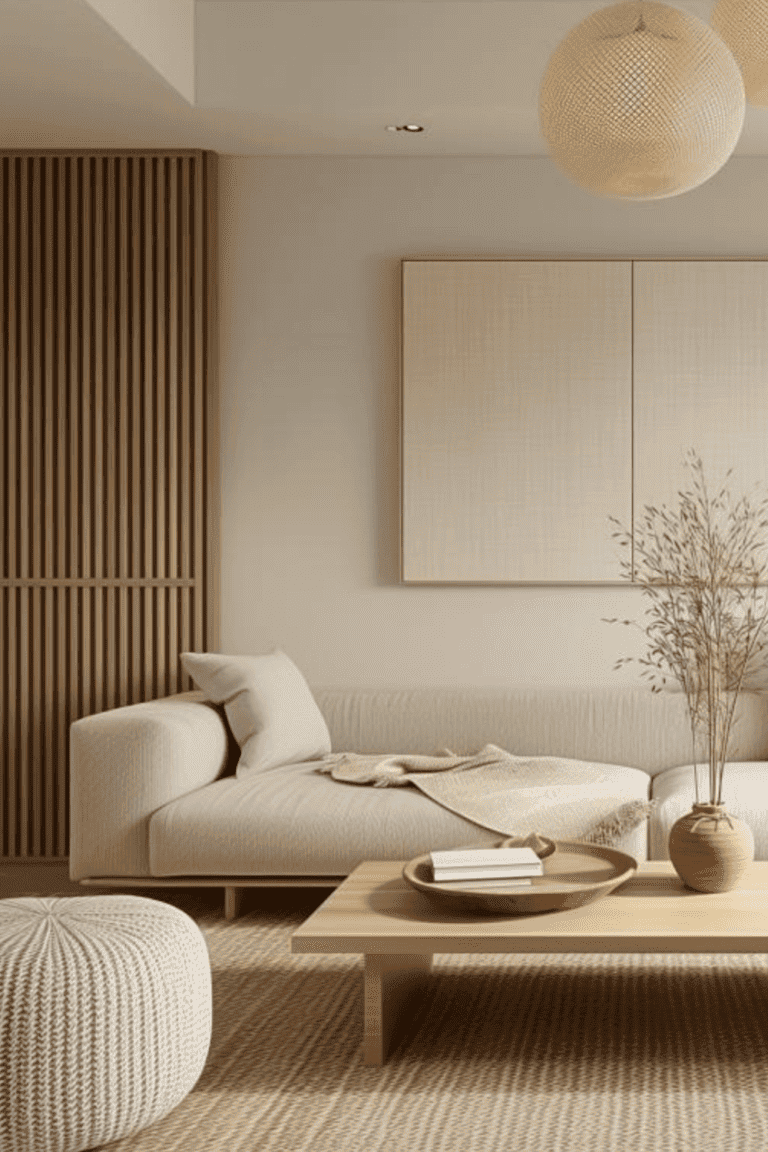
Today, tatami is finding its way into Japandi interiors, the perfect blend of Japanese serenity and Scandinavian warmth. The shared love of natural materials, craftsmanship, and harmony makes tatami a natural fit. But for many homeowners, the challenge lies in how to use it without turning their space into a Zen temple or tea house. The beauty of Japandi design lies in balance, pairing minimalism with cosiness, simplicity with soul. Tatami can help achieve this when used with intention and restraint. You don’t need to cover your floors completely or give up your furniture. Instead, small, thoughtful applications of tatami can transform your home into a haven of calm.
- What is Japanese Tatami and How to Incorporate it in Your Home
- Minimalist Japandi: A Guide to Combining Japanese and Scandinavian Design in Your Home
- Exploring Wabi-Sabi, Minimalist, and Modern Japandi Designs
Here are 7 modern ways to use tatami mats in your Japandi interior, keeping it grounded, beautiful, and unmistakably contemporary.
#1. Use Tatami in Your Reading Nook with a Zabuton

If you’re looking for a gentle introduction to Japandi design, start with a reading nook. A reading corner is small, personal, and easy to adapt, and tatami fits naturally into this kind of intimate setting. It transforms an ordinary space into a sanctuary for slow moments, where simplicity meets comfort.
Begin by selecting a quiet spot near natural light, perhaps beside a window, under a staircase, or in an alcove. Lay down a few tatami mats as a soft, tactile base. Their woven surface instantly changes the mood of the corner, grounding it with warmth and texture. The muted beige or soft green tones of traditional tatami harmonise effortlessly with Japandi’s neutral palette of woods, whites, and soft greys.
Next, add a zabuton, a Japanese-style floor cushion traditionally used for sitting meditation or tea ceremonies. Modern zabuton cushions come in cotton, linen, or hemp covers and can be layered for comfort. The low seating height naturally encourages better posture and a slower rhythm, perfect for reading, journalling, or enjoying quiet tea rituals. Keep furniture minimal. Instead of a bulky chair, use a small side table or a short wooden stool to hold books or a teacup. This reduces visual weight and enhances the sense of openness that Japandi spaces are known for. The beauty of tatami is that it invites you to connect with your surroundings, you feel the surface beneath you, the texture of fabric, and the stillness around.
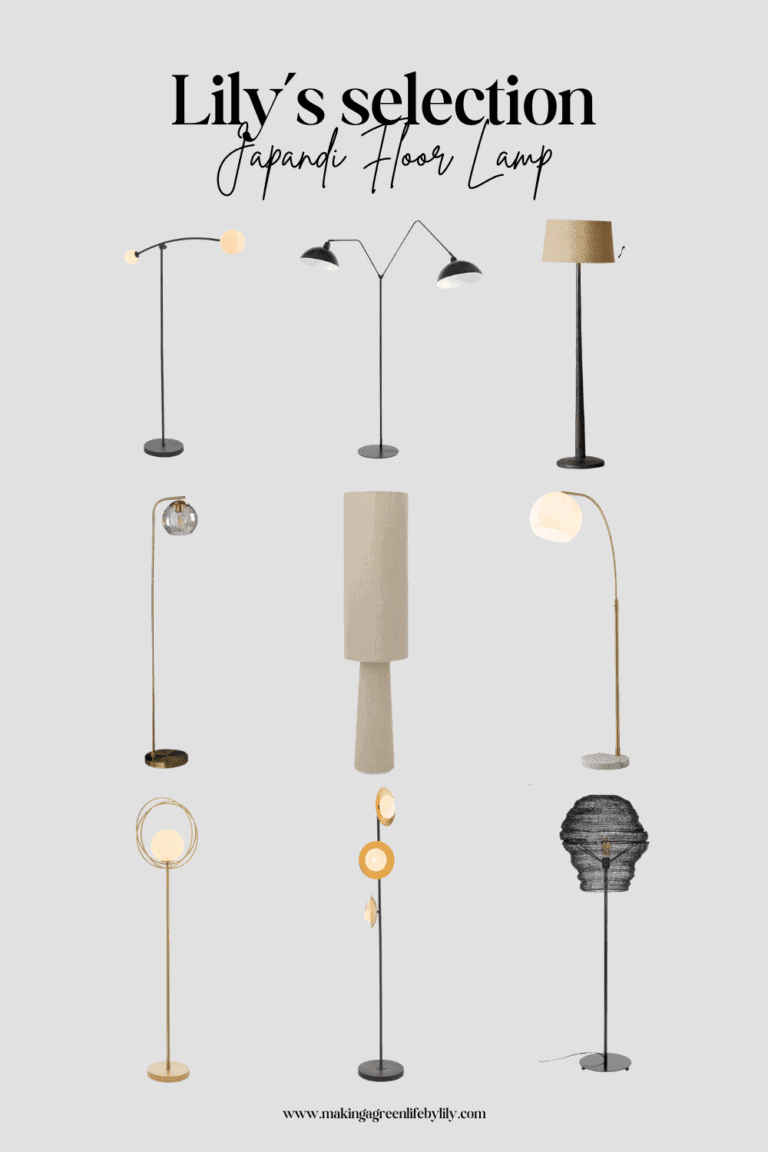
Lighting completes the atmosphere. Opt for a floor lantern, paper shade, or linen-covered lamp that diffuses light softly across the mat’s woven surface. The gentle glow will accentuate the natural sheen of the tatami and create a cocoon like ambience. If your space allows, frame the nook with a few simple elements, a branch in a ceramic vase, a stack of magazines, or a linen throw folded neatly. Avoid clutter or excessive décor. Japandi design thrives on restraint; every item should feel intentional.
A tatami reading nook isn’t about formality or following strict rules. It’s about creating a small, peaceful zone where you can slow down and feel grounded even in a busy home. Whether you live in a flat or a house, this small transformation sets the tone for a calmer lifestyle. It’s affordable, flexible, and deeply restorative, the perfect way to begin your journey into Japandi living.
#2. Create a Low-Level Lounge Area

In Japandi design, the idea of “grounding” goes beyond materials, it’s also about physical and emotional closeness to the earth. One of the simplest and most beautiful ways to bring that feeling into your home is by creating a low-level lounge area using tatami mats.
Unlike Western-style living rooms, which often rely on tall sofas and large armchairs, a low seating setup encourages openness, conversation, and calm. When you sit close to the floor, you naturally slow down, your movements become more deliberate, your posture softens, and your environment feels more intimate. Tatami mats are perfect for this style of living because they provide a comfortable, breathable base that feels natural underfoot or beneath a cushion.
Start by choosing the area you want to convert. This could be a section of your living room, a quiet corner near a window, or even a recessed platform that already exists in your home. Cover it with a few tatami mats to define the lounge zone. The texture immediately transforms the mood, softening echoes and adding warmth to any space. Pair the mats with a low wooden table, ideally made from oak, ash, or bamboo, materials that align with both Japanese and Scandinavian aesthetics. Add a few thick floor cushions, poufs, or woven ottomans for seating. These create a casual, welcoming environment where guests can relax without feeling confined to formal furniture.
Styling should remain minimal but warm. A simple tray with a teapot and ceramic cups, a book stack, or a single vase with a sprig of greenery adds life without clutter. You can even hang a linen or cotton wall panel to visually anchor the area. If you’re short on space, this kind of low lounge doubles beautifully as a multifunctional zone. During the day, it can serve as a place for reading or working; in the evening, it becomes a spot for conversation or quiet rest. In winter, adding a kotatsu, a Japanese heated table with a soft blanket, makes it even cosier.
This setup is about reconnecting with simplicity. You don’t need expensive furniture or elaborate styling, just tatami, natural textures, and low light. The result is a lounge that feels grounded, human, and effortlessly Japandi.
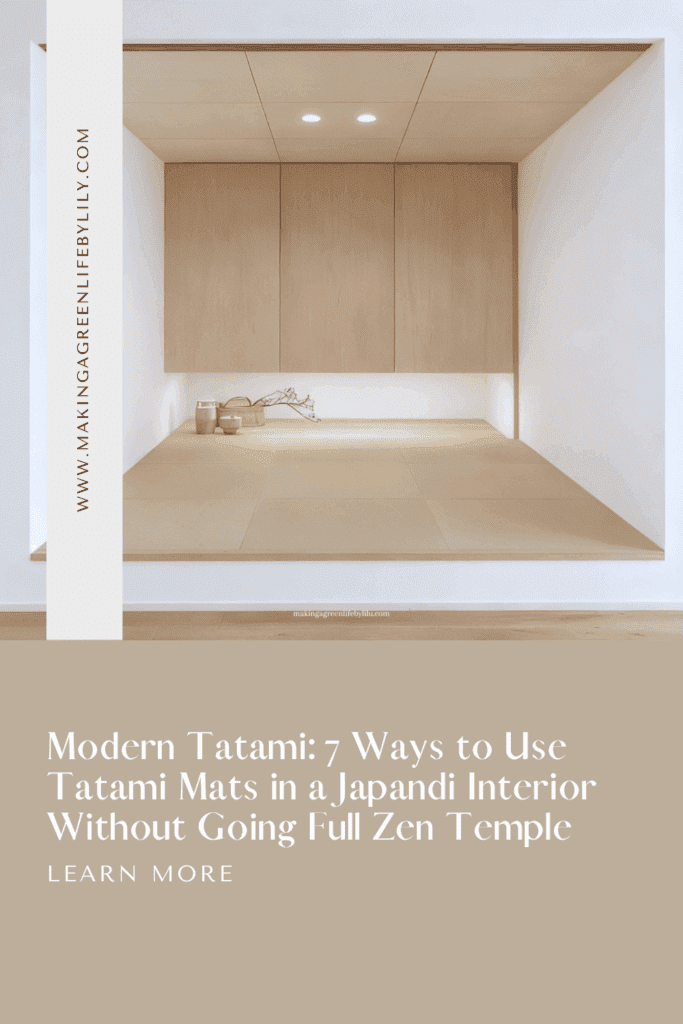
#3. Define Zones in Open-Plan Spaces with Raised Flooring

Open-plan homes are popular for their light, airy feel but they often lack structure. Without walls, it can be tricky to separate the dining area from the living zone, or a workspace from a relaxation corner. This is where tatami mats on raised flooring come in: they subtly divide spaces without closing them off, keeping the flow of light and air intact.
A raised tatami platform introduces both function and form. It provides a visual cue that says, “This area has a purpose.” You step up slightly, and that shift in level creates a moment of transition, a small, psychological boundary that encourages calm and focus.
You can build a raised platform as little as 10–20 centimetres high. Frame it with light wood, oak, birch, or maple to maintain the Japandi palette of natural tones. Then fit tatami mats neatly within the frame, leaving crisp, clean edges. The result feels architectural yet soft, a minimalist detail that instantly adds craftsmanship to your space. This approach works particularly well in living rooms, where a tatami platform can become a conversation nook or tea area. In a studio flat, it can double as a reading space during the day and a sleeping area at night. The flexibility of tatami makes it easy to reimagine how each area of your home functions without adding bulky furniture or walls.
The beauty of raised tatami flooring is its practicality too. You can integrate hidden storage underneath, sliding drawers for books, bedding, or children’s toys, keeping your home clutter-free. The platform also improves acoustics, softening footsteps and sound reflections in open areas. To enhance the effect, use lighting to highlight the edge of the platform. A slim LED strip tucked beneath the wood frame creates a gentle glow at floor level, adding a sense of floating lightness, very in tune with modern Japandi aesthetics.
For visual harmony, ensure that the materials surrounding your tatami zone are consistent. If your main flooring is pale wood, continue the tone into the frame. If you have darker floors, consider using a slightly lighter wood for contrast. Raised tatami flooring achieves what walls cannot: it defines space without division. It brings structure while maintaining freedom, making open-plan homes feel more intentional and layered. Every step up becomes a cue to slow down, a simple yet powerful way to introduce the philosophy of ma (Japanese spatial awareness) into modern living.
#4. Use Coloured Ryukyu Tatami for a Modern Edge

Tatami is traditionally known for its natural beige-green hue, but in recent years, a more contemporary version has appeared: Ryukyu tatami. Originally from Okinawa, these mats are square rather than rectangular and are designed without the black or green cloth edging found on traditional tatami. This gives them a clean, geometric look that fits beautifully into modern Japandi spaces.
What makes Ryukyu tatami especially appealing is the variety of subtle, modern shades available. You can find them in soft greys, smoky beiges, muted olives, and deep charcoals. These colours help you adapt the natural texture of tatami to any palette, whether you’re working with pale oak floors or darker walnut tones. If you want to give your space a modern edge, consider a checkerboard or tonal layout using two complementary shades. For example, alternating pale beige and warm grey Ryukyu mats creates visual rhythm while maintaining the soothing feel of a neutral scheme. In small rooms, this effect can even make the floor appear more spacious.
The square format also allows for creative layouts that feel balanced yet contemporary. Try arranging them diagonally across a room for a soft sense of movement, or align them perfectly in grid form for a clean, architectural look. Their crisp edges and smooth weave add refinement, turning the floor into a crafted design feature rather than a background surface. Ryukyu tatami is also practical for modern homes. Many are made with durable foam or synthetic cores, making them lighter and more resistant to humidity compared to traditional straw-filled mats. This makes them ideal for apartments or climates with varying seasons, you still get the authentic texture without the maintenance concerns.
When styling around coloured tatami, keep furniture and accessories understated. Light woods, linen curtains, and neutral ceramics work well to maintain Japandi balance. Avoid bold patterns or overly shiny finishes; the floor itself should take centre stage as the grounding element. This type of tatami bridges the gap between tradition and innovation, it honours craftsmanship but feels right at home in minimalist, urban settings. The muted colour variations bring sophistication without disrupting calm, embodying the Japandi ideal: modern living rooted in natural beauty.
Ryukyu tatami proves that tradition doesn’t have to mean old-fashioned. By embracing new materials and subtle colour, you can create interiors that feel current, timeless, and unmistakably serene.
#5. Use Tatami as a Platform Base for Beds

In Japandi interiors, furniture is often low and visually grounded, an intentional design choice that fosters calm and continuity. Using tatami as a platform base beneath a bed captures this feeling perfectly. It anchors large furniture pieces to the space and enhances their relationship with the floor, creating a room that feels both balanced and connected to nature.
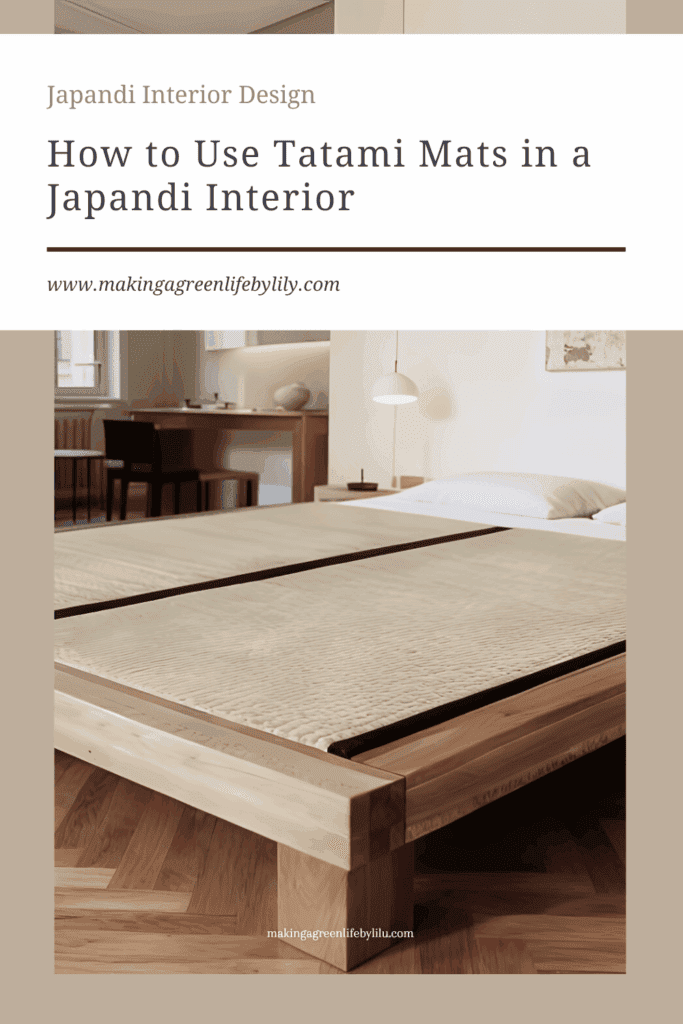
In the bedroom, tatami can serve as an alternative to a heavy bed frame. Instead of elevating your mattress, place it directly on a set of tatami mats laid over a wooden base or simple frame. This not only gives the space an authentic Japanese sensibility but also reduces visual clutter, making the room appear larger and more open. The soft spring of tatami provides natural comfort while promoting airflow beneath the mattress.
To keep the look modern, choose light-coloured tatami paired with bedding in natural fabrics, linen, cotton, or hemp in tones of off-white, taupe, or mushroom. Add a single textured throw or a pair of accent cushions for warmth. Avoid excessive layering; the simplicity of materials should speak for itself.
Lighting and proportion matter. Keep lamps or sconces low to echo the horizontal emphasis of the platform. A single hanging pendant above the bed can add focus without disturbing the serenity. This approach works particularly well in smaller homes or studio apartments, where every centimetre counts. By combining function and calm aesthetics, a tatami base helps define areas elegantly while maintaining a feeling of openness.
At its heart, this is what Japandi design stands for thoughtful simplicity. The tatami base isn’t decorative excess; it’s purposeful beauty. It reminds us that luxury isn’t always about adding more, but about refining what we already have into something peaceful and enduring.
#6. Introduce Tatami Textures (Tatami Rug) Without Using Full Mats

If you love the tactile, organic beauty of tatami but aren’t ready for a full installation, tatami rugs are an ideal first step. They capture the look and feel of traditional tatami while being portable, lightweight, and easy to incorporate into existing spaces, perfect for renters or homeowners seeking subtle change without renovation.
A tatami rug immediately softens a room’s atmosphere. Its woven texture introduces a natural rhythm that synthetic rugs can’t replicate, while its muted tones blend seamlessly with Japandi’s neutral palette. Whether placed beneath a coffee table, beside a bed, or in a hallway, it adds quiet depth and visual calm. Start small. A single tatami rug beneath your sofa can ground the seating area without overwhelming the room. Choose neutral tones such as straw beige, warm grey, or olive to maintain the connection with natural materials. Modern versions are often woven with igusa (rush grass) on the surface and backed with non-slip or cushioned bases, making them practical for daily life.
One of the most effective uses of tatami rugs is in transition spaces, entryways, corridors, or thresholds between rooms. They act as sensory markers, shifting the mood as you move from one area to another. In Japandi interiors, this gentle zoning reflects the Japanese concept of ma, the thoughtful pause or space between things.
Tatami rugs are also excellent for layering. Try placing a smaller tatami rug over a large wool or jute base to create texture contrast. This adds dimension while keeping the aesthetic calm and cohesive. Caring for tatami rugs is simple: vacuum gently and avoid prolonged moisture exposure. Over time, the fibres may darken slightly, developing a warm patina that adds to their charm. This subtle ageing aligns perfectly with the wabi-sabi philosophy, embracing the beauty of natural wear.
When styling around a tatami rug, keep the focus on simplicity. A linen sofa, a wooden side table, and soft ambient lighting are all you need. Let the rug be the grounding element that ties everything together. A tatami rug teaches restraint. It’s proof that you don’t need a full redesign to bring balance and serenity into your home. Sometimes, one quiet layer underfoot is enough to remind you to slow down, breathe, and reconnect with the textures of nature.
#7. Blend Tatami with Japandi Wallpaper and Soft Neutrals

While tatami offers earthy texture and depth underfoot, pairing it with Japandi wallpaper and gentle, neutral tones elevates it into a complete design statement. The goal isn’t to imitate traditional Japanese rooms but to merge their warmth with Scandinavian minimalism, creating interiors that feel both authentic and modern.
Begin by thinking about how light moves through your room. Tatami has a natural sheen that changes subtly during the day; it looks golden in the morning and cooler at dusk. To complement that, choose wall finishes that echo natural materials. Japandi wallpaper works beautifully here especially designs with quiet patterns.
A soft taupe or clay-coloured wallpaper brings warmth and depth, while pale greys or stone tones enhance brightness. For an organic look, textured wallpapers such as Wabi Texture Wallpaper pair seamlessly with tatami flooring. The tactile combination of woven fibres below and soft, muted walls above creates a visual dialogue, an atmosphere that’s layered but never busy.
When it comes to colour pairing, stay within a restrained palette. Think nature-inspired harmony: beige, sand, stone, sage, or mushroom. These tones evoke calmness while making the tatami’s subtle green or golden hues stand out. If your tatami is Ryukyu-style and slightly darker, complement it with lighter wall shades to maintain balance. Accessories should echo the same soft minimalism. Choose furnishings in pale wood, ceramics in muted whites or greys, and fabrics like linen or cotton. A low oak bench against the wall, a sculptural vase, or a paper lantern adds quiet beauty without distraction.
Adding greenery helps too. A single plant with architectural form, such as a fern or bonsai, can bring a touch of life while reinforcing the connection to nature that both Japanese and Scandinavian design celebrate. Blending tatami with Japandi wallpaper allows your home to feel intentional, curated, yet peaceful. It’s not about decoration for decoration’s sake, but about layering natural elements in a way that feels coherent and timeless. Together, they tell a story of texture, craftsmanship, and balance, a home that feels grounded yet alive.
Final Thoughts on Modern Tatami: 7 Ways to Use Tatami Mats in a Japandi Interior Without Going Full Zen Temple
Tatami has evolved from a symbol of traditional Japanese culture into a timeless design tool that fits beautifully within modern homes. Its quiet presence, natural scent, and soft texture bring a level of comfort and mindfulness that few materials can match. In Japandi interiors, tatami serves a deeper purpose than decoration. It’s a reminder of balance between earth and air, tradition and innovation, stillness and everyday life. Whether you use it in a small reading nook or as a raised platform, tatami teaches you that tranquillity doesn’t require perfection; it only asks for intention.
You don’t need to turn your home into a temple to feel its calm. Just a few tatami panels, soft lighting, and thoughtful textures can create an atmosphere of quiet luxury. Start small, trust your instincts, and let your space evolve naturally. A modern Japandi home grows slowly, like a breath. Tatami, in all its understated beauty, is simply the floor beneath that serenity.
Related Japandi Articles:
- 5 Japandi Spring Colour Palettes to Refresh Your Home for the Season
- How To Create Family-Friendly Japandi Home
- The Role of Negative Space in Japandi Design: A Scientific Perspective
5 Brilliant Ways To Use Wood Wall Panelling In Japandi Style Home
5 Reasons You Should Opt for Wood Slat Panelling for Your Japandi Home
5 Ways to Create A Zen-Like Peaceful Environment in Your Japandi Home
- 5 Steps You Should Consider When Choosing A Bed For Japandi Bedroom
- Why More Craftmanship in Japandi?
- Colours of Japandi Design
Where to Buy Sustainable Japandi Furniture in the UK and Netherlands
Modern Tatami: 7 Ways to Use Tatami Mats in a Japandi Interior Without Going Full Zen Temple


2 Comments