
Why Japandi Homes Often Feel Wrong and How to Fix 7 Common Errors
Japandi interiors feel calm, grounded, and quietly confident. They do not shout for attention, yet they leave a lasting impression. That is exactly why beginners often struggle with this style. Japandi looks simple on the surface, but behind that simplicity is a deep level of intention.
- What is Japandi Materials?
- Why More Craftsmanship in Japandi?
- Why Japandi Style Is Ideal for Health-Focused Spaces (Yoga Studio, Pilates Studio, Spa, Gym, Wellness Studio)
If you are new to Japandi or interior design in general, mistakes are not only common, they are part of the learning process. The key is recognising where things usually go wrong so you can design with clarity rather than confusion. Below are seven mistakes that frequently hold people back from achieving a truly balanced Japandi interior, explained in depth so you can confidently avoid them.
Mistake 1: Treating Japandi as Just Minimalism

One of the most common assumptions is that Japandi is simply minimalism with fewer objects. This belief often leads to spaces that feel empty, cold, or emotionally distant. While Japandi does value simplicity, it is not about stripping everything away.
Japandi is rooted in meaning rather than reduction. Each object in a Japandi interior has a reason to exist. That reason might be functional, emotional, or aesthetic, but it is always intentional. When people remove items just for the sake of being minimal, they often remove warmth and personality at the same time.
Minimalism focuses on visual clarity. Japandi focuses on emotional clarity. A Japandi space should make you feel grounded, calm, and supported. That feeling comes from thoughtful choices, not from bare rooms.
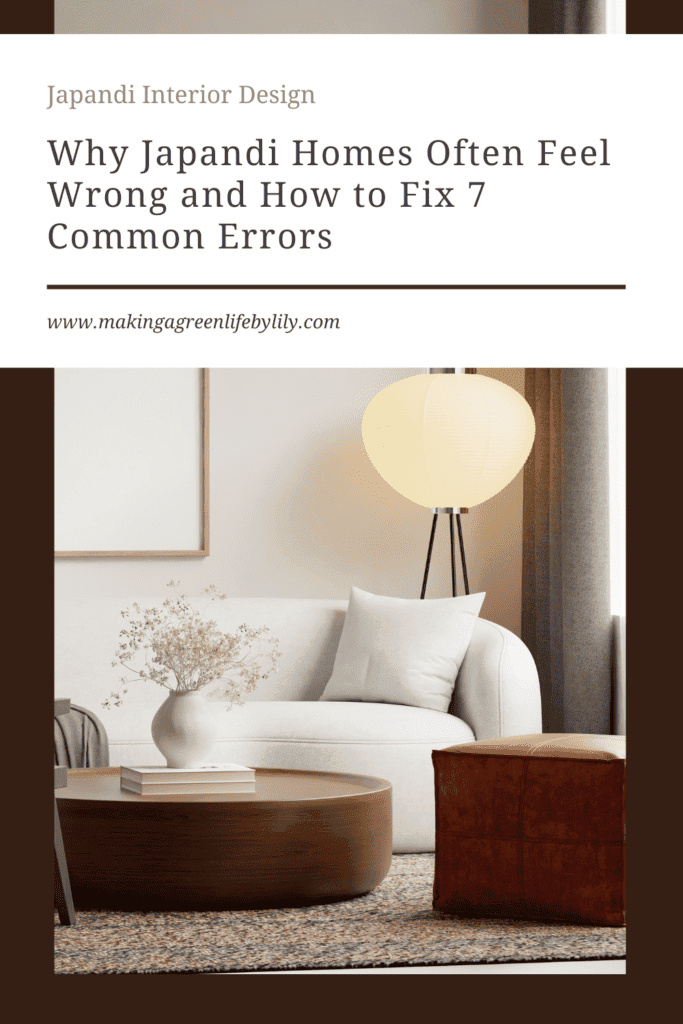
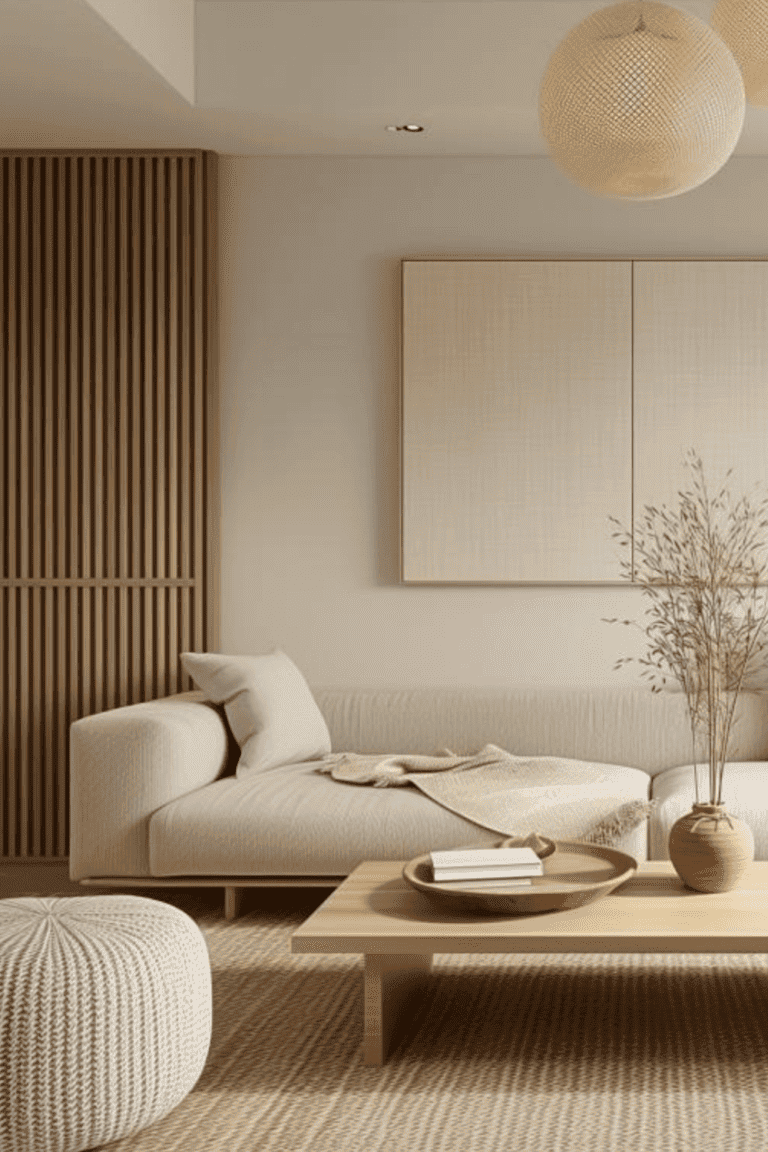
For example, a Japandi living room might contain only a sofa, a low table, and a lamp. But each piece carries weight. The sofa is comfortable and inviting, not rigid. The table shows natural wood grain and signs of craftsmanship. The lamp casts soft, gentle light rather than harsh brightness. These details create atmosphere.
To avoid this mistake, shift your mindset. Instead of asking how little you can live with, ask what truly adds value to your daily life. Keep objects that support how you live and how you feel. Remove what distracts, not what comforts.
Japandi is not about owning less. It is about living better with what you choose.
Mistake 2: Mixing Too Many Interior Styles Together

Japandi itself is already a fusion of Japanese and Scandinavian design. Adding additional styles on top often creates visual noise and breaks the calm flow that defines the aesthetic.
Beginners often feel unsure and try to include everything they love. A bit of modern luxury here, some bohemian texture there, maybe an industrial light fixture for contrast. While each element may look good individually, together they dilute the clarity of the space.
Japandi relies on consistency. Materials, colours, and forms should feel related, as if they belong to the same quiet story. When too many styles compete, the space feels unsettled, even if you cannot immediately explain why.
This does not mean you must follow rules rigidly. It means choosing a clear design language and staying loyal to it. If Japandi is your foundation, let it guide your decisions. Clean lines, natural materials, and soft transitions should lead the way.
If you want to introduce another influence, do it subtly. One modern element can work if it respects Japandi values. Avoid sharp contrasts, glossy finishes, or overly decorative forms that interrupt the calm rhythm.
Think of Japandi as a gentle conversation. When too many voices speak at once, the message gets lost.
Mistake 3: Choosing Flat or Incorrect Neutral Colours

Neutral colours are often misunderstood. Many beginners think neutral means white, grey, or beige without variation. The result is a space that feels flat and lifeless rather than serene.
Japandi neutrals are layered and nuanced. They are inspired by nature and time. Warm whites with depth. Soft greys with brown or green undertones. Earthy tones that feel calm rather than stark.
A common mistake is choosing bright white walls and cool grey furniture. This combination can feel harsh and clinical. Japandi requires softness. Light should feel filtered, not reflected sharply.
Another issue is contrast that is too strong. Pure black paired with bright white may look graphic, but it disrupts the quiet flow Japandi aims for. Instead, darker tones should feel earthy and grounded, like charcoal, deep brown, or muted ink.
To choose the right palette, look at natural references. Stone, clay, sand, wood, fog, bark. These colours blend seamlessly rather than competing. Layering similar tones creates depth without visual tension.
If you are unsure, always lean slightly warmer than you think. Warmth creates comfort, and comfort is central to Japandi design.
Mistake 4: Ignoring Texture and Material Depth

Japandi interiors are not visually busy, but they are rich in texture. When texture is missing, the space feels unfinished. Many beginners focus only on shape and colour, choosing smooth surfaces throughout. While this may look clean, it lacks sensory depth. Japandi is meant to be felt as much as it is seen.
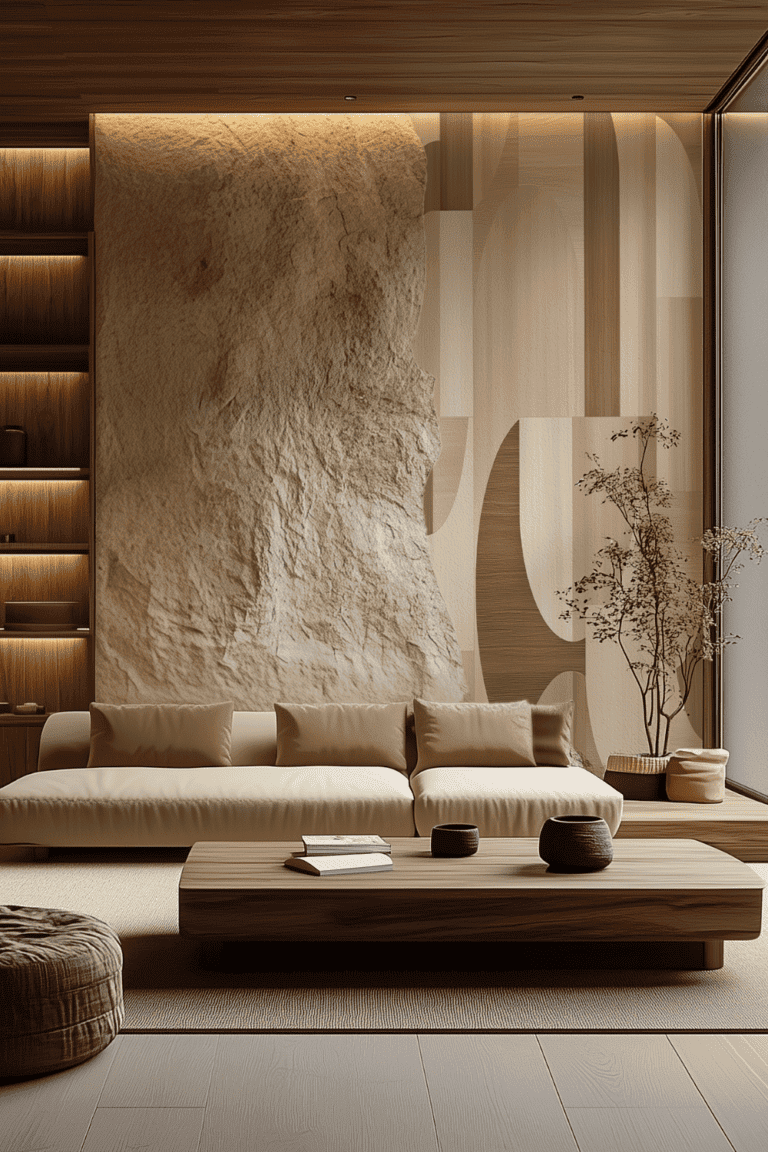
Natural materials play a vital role. Wood with visible grain. Linen that creases naturally. Clay that feels slightly uneven. Stone with subtle variation. These textures create quiet movement and warmth.
Material quality also matters. Japandi values longevity and craftsmanship. One well-made piece will always feel more appropriate than several decorative items with no substance.
When selecting furniture or finishes, think beyond appearance. Imagine touching the surface. Sitting on it. Living with it daily. Does it age gracefully? Does it feel honest?
Texture is what brings life to simplicity. Without it, Japandi loses its soul.
Mistake 5: Overusing Obvious Japanese Motifs

Many beginners believe Japandi means visibly Japanese interiors. Shoji patterns, tatami designs, bonsai, paper lanterns, and symbolic prints often appear all at once. This turns the space into a theme rather than a home.
Japandi is influenced by Japanese philosophy, not decorated with symbols. The Japanese influence shows through restraint, balance, and appreciation of imperfection. Using too many cultural references can feel forced. It also risks stereotyping rather than respecting the deeper values behind the design.
Instead of obvious motifs, focus on principles. Simplicity. Balance. Natural materials. Negative space. Quiet moments. One subtle reference is enough. Let the influence be felt rather than announced.
True Japandi feels natural, not staged.
Mistake 6: Designing Without Considering Daily Life

A Japandi interior should support how you live. When function is ignored, even the most beautiful space will feel uncomfortable.
Beginners sometimes choose furniture purely for appearance. Chairs that look elegant but are uncomfortable. Storage that looks minimal but does not meet daily needs. Lighting that looks atmospheric but is impractical.
Japandi is deeply practical. Scandinavian design contributes functionality, while Japanese design contributes mindfulness. Together, they create spaces that work quietly and efficiently.
Ask practical questions. Can you move easily through the room? Is there enough storage? Does the lighting adapt to different moments of the day?
Design should support your routines. Morning light. Evening calm. Everyday tasks. When function and beauty align, the space naturally feels calm and balanced.
Mistake 7: Rushing the Japandi Process

Perhaps the most overlooked mistake is impatience. Japandi is not designed to be completed quickly.
Many beginners try to finish everything at once, purchasing furniture and decor based on inspirational images. This often leads to overfilling the space or making choices that do not truly fit long-term.
Japandi interiors evolve. They grow through living, observing, and refining. A space should breathe before being filled. Allow time between decisions. Live with what you have. Notice what feels missing and what feels unnecessary. Add slowly and intentionally.
This slower approach creates authenticity. Over time, the space becomes deeply personal and genuinely calm. Japandi is not about achieving a look. It is about creating a way of living.
Final Thoughts on Avoid These 7 Mistakes When Trying Japandi Style
Japandi design rewards patience, intention, and awareness. When you avoid these common mistakes, the style becomes less intimidating and far more intuitive.
There is no perfect Japandi home. There is only a space that feels balanced, grounded, and quietly supportive of your life. That is where the true beauty lies.
Related Japandi Articles:
- 5 Japandi Spring Colour Palettes to Refresh Your Home for the Season
- How To Create Family-Friendly Japandi Home
- The Role of Negative Space in Japandi Design: A Scientific Perspective
5 Brilliant Ways To Use Wood Wall Panelling In Japandi Style Home
5 Reasons You Should Opt for Wood Slat Panelling for Your Japandi Home
5 Ways to Create A Zen-Like Peaceful Environment in Your Japandi Home
- 5 Steps You Should Consider When Choosing A Bed For Japandi Bedroom
- Why More Craftmanship in Japandi?
- Colours of Japandi Design
Where to Buy Sustainable Japandi Furniture in the UK and Netherlands

One Comment