Last Updated on 14 November 2025 by
From Kyoto to the Alps, these boutique hotels reveal how Japandi design transforms hospitality into harmony.
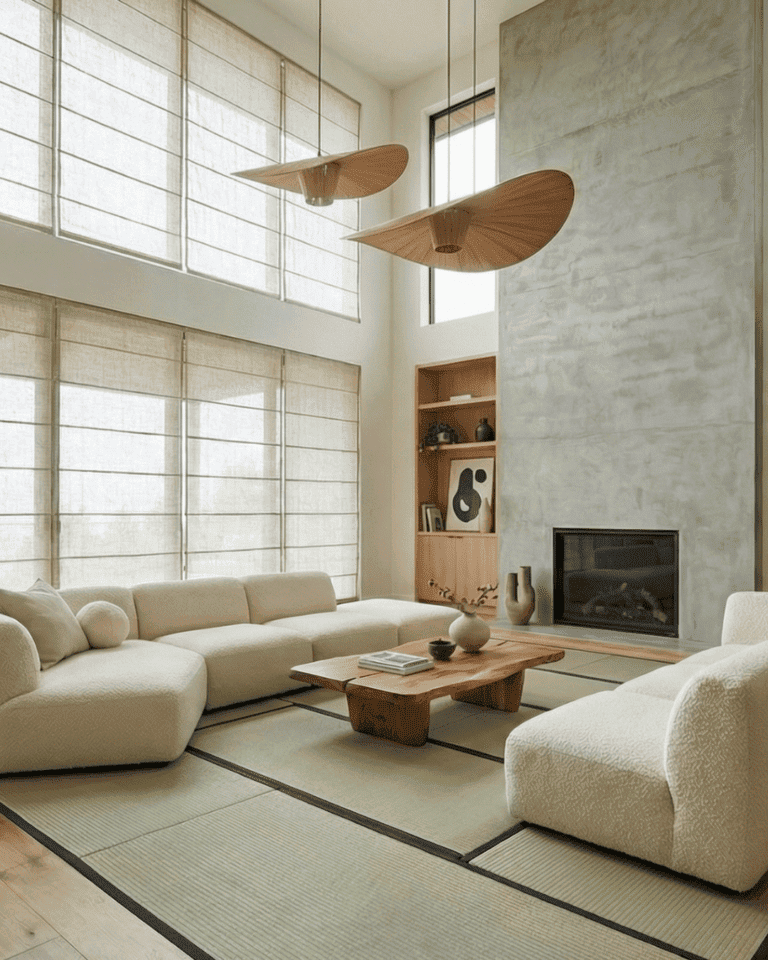
In a world where design often competes for attention, the quiet grace of Japandi style offers something profoundly different. It blends the purity and discipline of Japanese minimalism with the softness and comfort of Scandinavian design. The result is an aesthetic that feels timeless, human, and deeply calming.
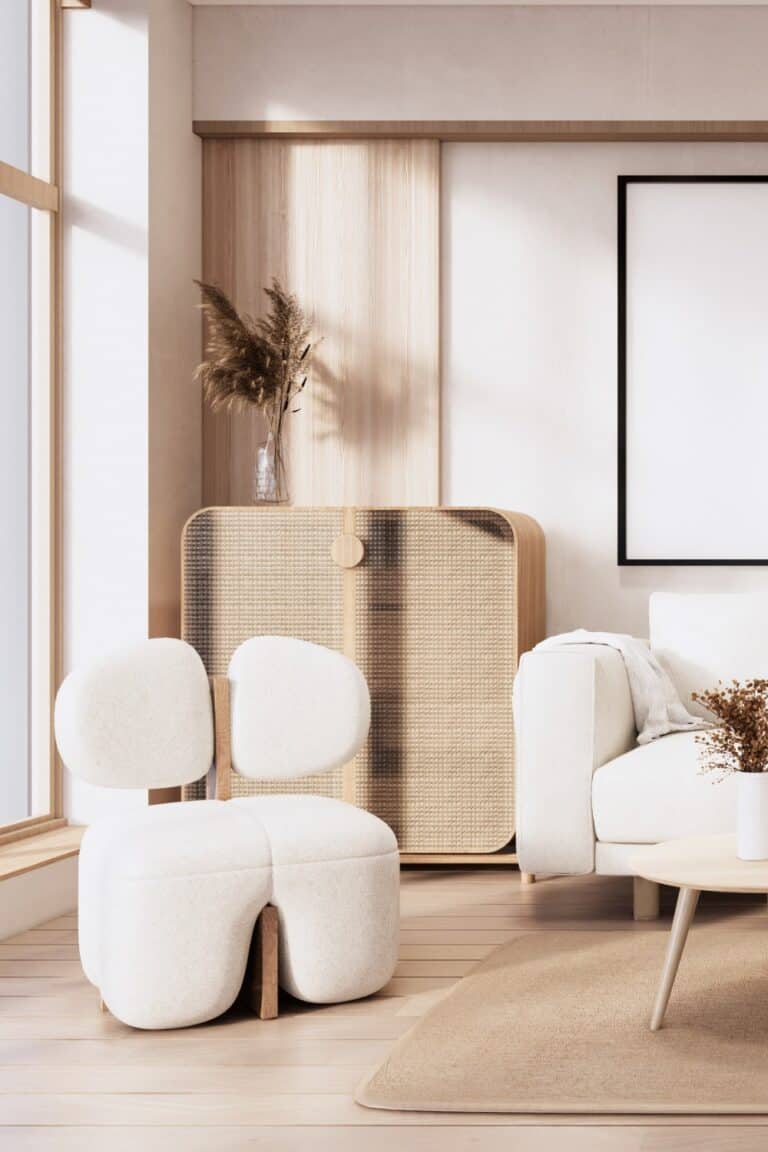
Japandi design is about balance, honesty, and appreciation for simplicity. The materials are natural and tactile, the colours soft and muted, and the spaces purposeful rather than crowded. Every detail has meaning. Every surface, texture, and light source is chosen to create a sense of harmony.
Across the world, more hotels are embracing this design philosophy and using it to redefine the meaning of modern hospitality. These places do not overwhelm the senses. Instead, they invite stillness. Light filters gently through open spaces. Wood and stone meet with quiet precision. The experience feels personal, grounded, and restorative.
- 10 Japandi Design Cafés in Japan: Real-World Inspiration from Tokyo to Kyoto
- How to Turn Your Yoga Studio Into a Japandi Sanctuary
- What is Japandi Style? How to Incorporate Japandi Design in Each Room?
Today’s post features 7 exquisite hotels that embody the serene and minimalist aesthetics of Japandi design, exploring spaces where architecture, nature, and atmosphere exist in perfect balance. From mountain retreats in Japan to contemporary coastal lodges in Northern Europe, each hotel reflects the beauty of restraint and the luxury of calm.
#1. MAANA Kiyomizu (Kyoto, Japan)

Tucked away within Kyoto’s quiet Higashiyama district, MAANA Kiyomizu reveals how traditional Japanese architecture and modern Scandinavian restraint can coexist in perfect stillness. The space is not merely designed but composed, like a poem written in timber and light. Its atmosphere feels effortless, calm yet deeply intentional, guided by a belief that simplicity allows the soul to rest.
The townhouse retains its original machiya bones, yet every surface has been refined with contemporary sensitivity. Smooth plaster walls absorb daylight with softness, while exposed wooden beams trace the geometry of time. The rooms open gradually, not abruptly, allowing each space to unfold with a quiet rhythm. There is no excess, no ornament — only the graceful honesty of natural materials speaking through touch and tone.
Each texture has been chosen with precision. Untreated timber, cool stone, woven linen, and muted clay work together in understated harmony. The palette remains grounded in nature: soft beige, grey, and gentle warmth from the wood. Together, these elements express wabi-sabi, the Japanese appreciation of imperfection and the Scandinavian reverence for functional beauty.
Furniture pieces are low, quiet, and sculptural. Chairs with slender frames, wooden tables with clean edges, and neutral toned textiles maintain visual lightness. The design draws from Scandinavian craftsmanship yet carries the poetic depth of Japanese minimalism. There is comfort without excess, form without noise.
Light becomes the central medium of design. Through shoji-style screens, sunlight diffuses in fine gradations, creating shifting moods across the interior. Morning light falls pale and cool, while evening brings a warm glow that pools gently across the floorboards. Each hour transforms the space subtly, echoing the transience celebrated in Japanese aesthetics.
Every object has presence, a ceramic bowl placed precisely, a folded linen left casually yet deliberately. The balance between the considered and the imperfect creates an atmosphere of ease. Time feels slower here. The air carries the quiet scent of cedar and the hush of the surrounding neighbourhood. MAANA Kiyomizu captures the spirit of Japandi design not through imitation but through understanding. It reveals how architecture can hold silence, how materials can speak without words, and how a home can feel both ancient and new at once. The experience is not about luxury but about alignment — between mind, space, and the quiet pulse of nature.
#2. MUNI KYOTO (Kyoto, Japan)

Resting by the calm waters of the Katsura River in Arashiyama, MUNI Kyoto stands as an expression of serenity, precision, and restraint. The building carries itself with quiet dignity, allowing nature and light to take the lead. It reflects the deep stillness of Kyoto’s landscapes while embracing the clarity of Scandinavian design. Together, they create a language of balance, refined, calm, and profoundly human.
The structure itself feels timeless. Its geometry is simple, its rhythm consistent. Natural stone, pale timber, and smooth plaster establish a tactile harmony that is instantly grounding. Inside, each space is ordered by proportion and pause, echoing the Japanese concept of ma, the beauty found in intervals. Every line and surface seems measured, not in pursuit of perfection, but in respect for stillness.
In the guest rooms, daylight becomes architecture. Large windows open towards the surrounding gardens, filling the interiors with filtered light that softens the oak floors and linen curtains. The atmosphere shifts with each passing hour. Morning brings a cool clarity that sharpens form; dusk brings warmth that lingers on walls like memory. This quiet choreography of light and shadow defines the essence of MUNI Kyoto’s design.
Textures are subdued yet deeply sensual. Smooth stone vanities, handwoven textiles, and raw wooden accents come together in a palette of muted tones, ivory, sand, taupe, and pale grey. Each material speaks softly, complementing the next in a seamless conversation. The restraint is not decorative; it is emotional, designed to evoke calm through simplicity and presence.
In the lounge and dining areas, symmetry and natural flow replace excess. Furniture with Scandinavian proportions sits beside Japanese detailing. Curved chairs, slender table legs, and soft neutral fabrics add warmth without clutter. The space breathes easily, each object serving both form and feeling. Every surface invites touch. Every moment feels unhurried.
The connection between indoors and outdoors remains constant. The hotel’s pathways and gardens draw on Japanese landscaping traditions, stone underfoot, moss, and still water, elements that frame the experience rather than distract from it. This relationship between built and natural environments is central to the Japandi philosophy: simplicity that feels alive, crafted from restraint rather than abundance.
Throughout MUNI Kyoto, silence feels deliberate. It is the quiet of materials allowed to speak for themselves, the calm between architectural lines. The building’s rhythm mirrors the slow flow of the Katsura River beside it, both timeless and transient. MUNI Kyoto embodies what makes Japandi hotels distinct, a synthesis of light, proportion, and sensitivity to nature. Every detail is designed to soothe without spectacle, to offer presence without demand. It is architecture as meditation, hospitality as harmony.
#3. Shou Sugi Ban House (New York)

ILocated in Water Mill, a quiet corner of Long Island’s Hamptons, Shou Sugi Ban House embodies the quiet luxury and elemental simplicity that define Japandi design. Its architecture draws directly from the ancient Japanese technique of shou sugi ban, charring wood to protect and preserve it, creating a dialogue between earth, fire, and form. The result is a retreat that feels both grounded and ethereal, minimalist yet deeply sensory.
Approaching the property, the contrast between the dark cedar façades and the soft tones of sand and sky is immediate. The landscape is designed with intention: raked gravel, native grasses, and reflecting pools that mirror the shifting light. Every path leads to stillness. There is no ornament, no noise, only the visual poetry of proportion and texture.
The interiors extend this restraint with perfect continuity. Pale stone floors, linen-draped bedding, and hand-finished walls establish a rhythm of calm. Each room holds space rather than fills it. Wood grains, neutral fabrics, and delicate variations in tone replace decoration with depth. Light, filtered through large openings, moves quietly across surfaces, softening edges and deepening the sense of enclosure.
Scandinavian influence appears in the warmth of materials and the honesty of craft. The furniture, custom made in pale oak and ash, is both functional and graceful. Curves are subtle; details are discreet. The tactile appeal of natural texture replaces visual complexity. The design never seeks attention; it invites exhalation.
Throughout the retreat, the experience unfolds like a meditation. Spaces are linked by courtyards and water, creating a rhythm of openness and privacy. The scent of cedar and the sound of wind through bamboo reinforce the feeling of ritual. The architecture itself becomes a sensory practice, guiding guests toward a slower, more intentional awareness of their surroundings.
Muted tones dominate the palette: soft greys, beiges, and matte blacks, all illuminated by the gentle glow of ambient light. In the bathhouse, the interplay of stone and shadow evokes the stillness of a mountain onsen. Every element serves a singular purpose to restore calm through alignment between material, form, and nature.
The essence of Japandi design emerges here not as a style but as a philosophy. It is present in the balance between darkness and light, rawness and refinement, shelter and openness. Shou Sugi Ban House captures the art of quiet balance, where the built environment disappears into its surroundings and time itself seems to slow. This is a space not designed to impress but to dissolve, a sanctuary where design becomes silence, and silence becomes its own form of beauty.
#4. Piaule Catskill (New York)

Set deep within the forested hills of upstate New York, Piaule Catskill captures the tranquil essence of Japandi design through a seamless dialogue between architecture and nature. Conceived by Garrison Architects, the retreat rests quietly among the trees, its linear wooden forms almost disappearing into the landscape. The structure feels less like an addition to the forest and more like an extension of it, precise, minimal, and deeply still.
The cabins, built from pale timber and glass, are positioned on stilts to preserve the terrain beneath them. Their silhouettes echo the horizontal calm of traditional Japanese dwellings, while their clean geometry reflects Scandinavian clarity. Inside, the architecture becomes a study of proportion and restraint. Every surface is free of distraction, allowing space and light to define the atmosphere.
Each cabin opens onto vast panes of glass, framing the wilderness like a living painting. The line between indoors and outdoors dissolves entirely. The rhythm of the forest, rustling leaves, shifting shadows, and distant birdsong becomes part of the interior composition. This immersion in nature is central to the Japandi sensibility: the belief that serenity is not built but found, emerging from harmony with the environment.
The materials remain elemental. Wide oak planks underfoot, clay toned walls, and handwoven linen bedding form a tactile, earthy palette. Everything feels honest and close to the natural world. The colours are subdued, ash, stone, sand, and moss tones that quiet the mind rather than stimulate it. There is no contrast here, only continuity.
The furnishings carry a similar restraint. Low wooden beds rest on simple platforms, echoing the quiet humility of Japanese interiors. Scandinavian design influence appears in the sculptural balance of curves and lines, in chairs that are both functional and tender in form. The craftsmanship is understated but evident, expressing a respect for material integrity over embellishment.
Light animates the architecture throughout the day. Morning light filters through the canopy, dappling the wooden surfaces in soft gold; by evening, the rooms glow with a gentle warmth, their edges dissolving into shadow. Artificial lighting remains minimal and warm, enhancing rather than overpowering the natural cycle of day and night. The shared spaces continue this meditative dialogue. The main lodge and spa feature rough stone, cedar, and glass, materials that age gracefully and deepen in character over time. The mineral pool, reflecting the forest canopy above, becomes a mirror of the landscape itself.
Piaule Catskill is more than a collection of cabins. It is a composition of silence, balance, and texture, an architectural gesture toward simplicity. Its beauty lies not in decoration, but in what is left untouched. The experience is immersive yet weightless, reminding us that the truest expression of Japandi design exists in stillness and connection to nature.
#5. Runo Hotel Porvoo (Finland)

In the historic Finnish town of Porvoo, Runo Hotel redefines modern Nordic hospitality through the calm language of Japandi design. The hotel occupies a 1912 building, but its atmosphere feels timeless, a balance of history and modern restraint. Every detail, from material choice to proportion, embodies the quiet harmony that unites Japanese minimalism with Scandinavian softness.
The design palette is subdued and natural. Pale oak, lime plastered walls, textured wool, and aged stone combine to create a tactile stillness. Nothing here feels new in a glossy way; instead, everything carries a sense of lived grace. The woodwork is matte, the fabrics are breathable, and the lighting glows softly from hidden sources. Each room seems to absorb light rather than reflect it, allowing the architecture itself to breathe.
Spatially, the layout mirrors the principles of ma, the Japanese concept of pause and balance. Every transition between corridor, room, and lounge is measured with intention. Space is treated as something precious, not to be filled but to be respected. The furniture sits low and spare, leaving the air to move freely. This restraint transforms function into feeling; comfort arises not from abundance but from proportion and peace.
The atmosphere is neither distinctly Finnish nor overtly Japanese, but something in between, a place where warmth and precision coexist. The Scandinavian tendency toward hygge softness appears in natural textiles, candles, and organic shapes, while the Japanese influence is expressed through clean geometry, open surfaces, and a quiet respect for imperfection. Together, they create interiors that feel restorative, not designed for display but for stillness.
Colour is handled with extreme subtlety. Shades of cream, charcoal, and warm beige dominate, accented only by the natural tones of the wood and stone. There are no sharp contrasts, no unnecessary flourishes. Even in public spaces, sound is softened, footsteps fall on thick rugs, and conversations seem to disappear into the muted textures of the room.
Runo Hotel’s materials invite touch. The oak floors retain their grain, the linen drapes move softly in the air, and the ceramics, locally made, reveal the artist’s hand. This tactile honesty defines the hotel’s atmosphere. Nothing feels staged. Every imperfection, every small irregularity, is part of the composition. In the restaurant and bar, light plays a gentle role. Windows frame the shifting daylight of the northern seasons, creating an evolving mood through the day. At dawn, the interiors feel pale and quiet; by evening, the soft golden tones of lamps turn the space into a cocoon of calm.
Runo Hotel Porvoo represents the meeting point of two cultures that both value essence over embellishment. The design feels slow, deliberate, and deeply human. It embodies the quiet strength of Japandi hotels built not to impress, but to restore. In its silence, the architecture hums with life.
#6. Mollie Aspen (Colorado)

Set against the crisp mountain air of Aspen, Mollie Hotel translates the refined tranquillity of Japandi design into an alpine setting. The space feels immediate yet timeless, structured yet soft, a balance of opposites that defines both the Japanese and Scandinavian approach to calm living. It is an architectural composition that finds beauty in warmth, craftsmanship, and restraint.
The building itself presents clean, horizontal lines wrapped in a quiet palette of wood, plaster, and glass. From the outside, it reflects the earthy tones of the surrounding landscape, snow, stone, pine, and sunlight. Inside, the rhythm slows. The interiors invite stillness through muted materials and thoughtful proportions. Light becomes a form of architecture, guiding the mood rather than decorating the space.
Every surface seems touched by intention. The floors are finished in pale timber with a matte texture, soft underfoot and free from shine. Walls are smooth and cool, absorbing light rather than reflecting it. The palette centres around neutral harmony, sand, taupe, ivory, and charcoal, creating a seamless transition between indoors and the mountain beyond. Nothing shouts for attention. Everything rests.
The furnishings express a dialogue between precision and comfort. Wooden benches with rounded edges, low-profile armchairs, and linen-upholstered sofas echo Scandinavian warmth and Japanese simplicity. The forms are clear, the craftsmanship honest. Each piece sits within its space quietly, without excess or ornamentation. There is comfort in proportion, not in accumulation.
Natural light defines the experience of the rooms. Large windows frame the snow-covered peaks and let the landscape become part of the interior. Morning brings a soft silver tone across the timber surfaces, while evening light turns everything to gold. At night, illumination shifts to a gentle amber, achieved through concealed lamps that cast pools of warmth rather than brightness.
Textures replace decoration. A wool throw replaces a painting, a ceramic vessel replaces a pattern. These small, tactile details create atmosphere through touch and rhythm rather than through visual complexity. The layering of natural materials, wool, linen, oak, and clay evokes the same harmony seen in traditional Japanese houses and Nordic retreats.
Public spaces maintain this same quiet balance. The café and bar flow naturally into the lounge, where the boundaries between private and communal feel blurred. Surfaces are soft, sounds are muted, and the scent of wood and coffee hangs subtly in the air. Even at its busiest, the hotel feels like it moves at half speed, following the unspoken tempo of mountain life. Mollie Aspen transforms the Japandi philosophy into a mountain language still minimal, but warmer, textured, and deeply connected to place. Its interiors offer no spectacle, only the quiet equilibrium of wood, light, and air. Everything here feels composed to remind us that true serenity begins when design becomes invisible, and atmosphere takes its place.
#7. Ullrhaus (Austria)

In the heart of the Austrian Alps, Ullrhaus translates the quiet sophistication of Japandi design into a mountain retreat defined by balance, texture, and calm. It draws from both Nordic restraint and Japanese serenity, merging them into an atmosphere of effortless stillness. The architecture feels rooted yet refined, inviting pause in a world that moves too fast.
The exterior, built from pale stone and natural timber, blends seamlessly with the alpine landscape. Snow settles on its wooden beams in winter, softening the geometry into something organic. The muted tones, grey, beige, and warm wood, harmonise with the environment, allowing the building to disappear into its setting. At first glance, there is a sense of proportion and grounding that defines all true Japandi design.
Inside, the palette remains quiet and tactile. Floors of brushed oak meet walls finished in soft plaster. Fabrics are natural and layered, linen, felted wool, cotton, and hemp. Each texture adds depth without clutter. The air carries the faint scent of wood and mountain air. The rooms are designed not to impress, but to calm. Their proportions feel natural, guided by the rhythm of symmetry and silence.
Light filters through wide windows that frame the Alps, connecting every space to the outside world. The colour of the interior changes throughout the day: pale silver in the morning, warm amber at dusk. This dialogue between light and material defines the atmosphere of Ullrhaus. There are no strong contrasts, no distractions only a gradual unfolding of tone and mood.
Furniture follows the same restrained language. Low wooden tables, linen armchairs, and curved sofas in soft neutral tones create visual continuity. The craftsmanship is evident but unobtrusive. Surfaces are matte, lines are clean, and comfort comes from simplicity. Each element contributes to the collective harmony, reflecting the Japandi ideal of form that serves emotion rather than display.
Throughout the hotel, spaces flow into one another with quiet rhythm. The lobby opens into the lounge, the lounge into the dining area, each defined by subtle transitions in texture and tone rather than walls or thresholds. The result is openness without exposure, a feeling of privacy within connection.
In the wellness area, the philosophy deepens further. The pool is lined in stone, illuminated softly by concealed lighting that mimics natural daylight. Wooden benches invite reflection rather than recreation. Every material is chosen for longevity and quiet character, designed to age gracefully over time. Ullrhaus stands as a pure expression of what Japandi hotels represent balance between nature and structure, warmth and restraint, stillness and life. Nothing feels curated or contrived. The architecture speaks softly, the materials hold presence, and silence becomes the true form of luxury.
It is a space that does not seek attention, yet commands it through calm. Every beam, every stone, every flicker of light seems to whisper the same idea: beauty exists where everything unnecessary has been let go.
Final thoughts on 7 exquisite hotels that embody the serene and minimalist aesthetics of Japandi design
The hotels that embody Japandi design share more than a visual language. They express a way of living. Each one celebrates quiet craftsmanship, honest materials, and the gentle rhythm of slow living. They are not grand, but graceful. They show that true refinement is found in the balance between stillness and intention.
Every design element serves a purpose. The texture of linen, the scent of cedar, and the way sunlight moves across stone all work together to calm the mind. These spaces are built to be felt as much as they are seen. They invite you to slow down, to notice, and to breathe.
Each of the ten hotels in this collection stands as a sanctuary for the senses. They prove that serenity is not created by adding more, but by choosing less with care. These are spaces that do not try to impress. They invite you to be present. They whisper calm into every corner and remind us that peace is not a destination but a design of the soul.
Which hotels would you like to stay?
Related Japandi Articles:
- 5 Japandi Spring Colour Palettes to Refresh Your Home for the Season
- How To Create Family-Friendly Japandi Home
- The Role of Negative Space in Japandi Design: A Scientific Perspective
5 Brilliant Ways To Use Wood Wall Panelling In Japandi Style Home
5 Reasons You Should Opt for Wood Slat Panelling for Your Japandi Home
5 Ways to Create A Zen-Like Peaceful Environment in Your Japandi Home
- 5 Steps You Should Consider When Choosing A Bed For Japandi Bedroom
- Why More Craftmanship in Japandi?
- Colours of Japandi Design
Where to Buy Sustainable Japandi Furniture in the UK and Netherlands

7 exquisite hotels that embody the serene and minimalist aesthetics of Japandi design